Bishops Park riverside garden clearance advice from gardeners
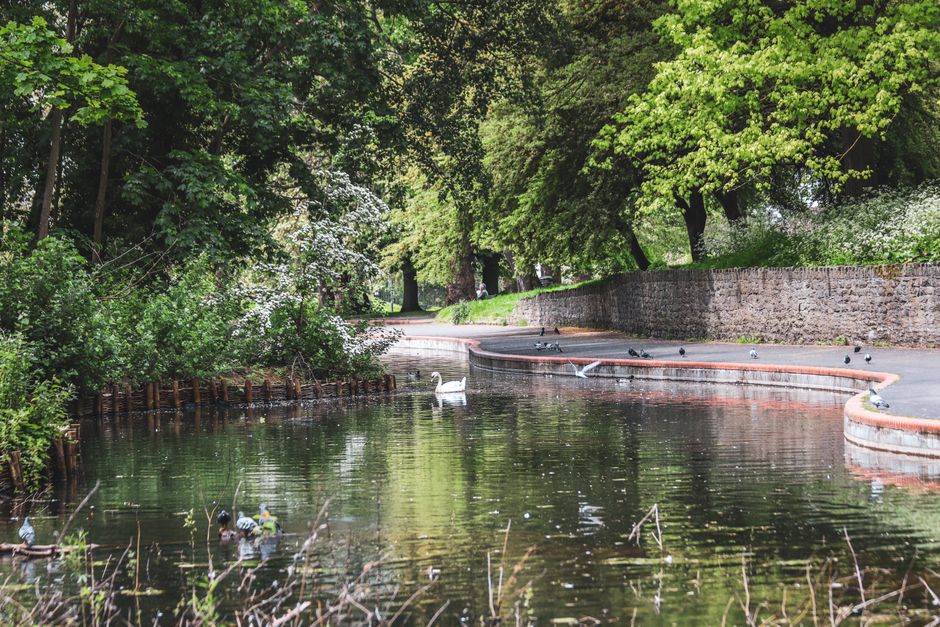
If you are dealing with an overgrown riverside plot, a tired lawn edge, or a garden that has quietly turned into a tangle of branches, leaves and forgotten pots, you are not alone. Bishops Park riverside garden clearance advice from gardeners is really about doing the job properly in a setting that is beautiful, exposed and a little bit unforgiving. Riverside gardens are different. Wind, damp, shade, falling leaves and the odd flood-prone corner can all change what needs clearing and how quickly it comes back.
This guide gives you practical, grounded advice from a gardener's point of view: what to clear first, how to work safely near the river, what to keep, what to remove, and how to leave the space tidy without damaging soil structure, planting beds or hard landscaping. If you want a full-service approach, it can help to compare this with a broader garden clearance service or a longer-term garden maintenance plan so the same mess does not creep back in two months later. Let's face it, it often does if nobody keeps an eye on it.
Expert summary: in riverside gardens, clearance is not just about making things look neat. It is about reducing damp-related decay, improving access, protecting paths and edges, managing waste responsibly, and setting the garden up for healthy regrowth. The best results usually come from clearing in stages, checking drainage and safety as you go, and deciding early what belongs in the green waste pile versus what needs specialist removal.
- Why riverside clearance matters
- How the clearance process works
- Benefits and practical gains
- Who needs this and when
- Step-by-step clearance guidance
- Expert tips for better results
- Mistakes to avoid
- Tools and recommendations
- Compliance and best practice
- Methods compared
- Real-world example
- Practical checklist
- Conclusion
- Frequently asked questions
Why Bishops Park riverside garden clearance advice from gardeners Matters
Riverside gardens in the Bishops Park area face a different set of pressures from ordinary back gardens. Even when the space looks calm, it can be quietly building up layers of leaf litter, self-seeded growth, moss, algae on paving, and soft, water-retaining debris around borders and fences. That is why clearance advice for this kind of garden needs to be more than a generic tidy-up checklist.
When a riverside garden is left unmanaged, a few common issues tend to appear together. Shrubs can become leggy, lower branches get trapped by shade and moisture, and old cuttings hold water instead of drying out. Paths may become slippery. Edging disappears under weeds. And in some cases, boundary planting grows too close to access points, making maintenance awkward. A proper clearance job restores control before the whole space feels as though it is working against you.
There is also a safety angle. Damp surfaces, hidden trip hazards, unstable piles of waste and thorny growth all make clearance more demanding than people expect. You may only notice the problem when you step into the garden in the early morning and hear that soft crunch of wet leaves underfoot. Pretty, in a way. Also slippery. Very slippery.
For homeowners, landlords, and managing agents, riverside clearance matters because it protects the value and usability of the space. For gardeners, it matters because the right method prevents damage. In practice, this means choosing careful pruning over hard hacking, checking what can be composted or recycled, and keeping an eye on drainage and boundary conditions as the work progresses.
If the job involves large amounts of green waste or awkward access, a services overview can help you decide whether the work needs a one-off clearance, ongoing maintenance, or a fuller landscaping reset.
How Bishops Park riverside garden clearance advice from gardeners Works
A good clearance process starts with a walk-through, not with a bag and a pair of loppers. Gardeners normally begin by identifying what is urgent, what is useful, and what should stay in place. In a riverside setting, that assessment is especially important because the same damp conditions that encourage weeds also support healthy soil life. The aim is not to strip everything bare. It is to bring the garden back into balance.
Here is the basic flow most experienced gardeners follow:
- Assess the space carefully. Look for blocked access, slippery surfaces, nesting activity, broken fixtures, unstable fencing, and plants that need selective pruning rather than removal.
- Separate the work into zones. Borders, lawn edges, hard landscaping, hedges, trees, and storage areas often need different methods.
- Remove loose waste first. Old pots, broken canes, leaf heaps, windblown branches and forgotten garden furniture can all hide smaller hazards.
- Cut back overgrowth strategically. The goal is to reduce bulk while keeping the structure of healthy shrubs, climbers and mature plants.
- Clear and sort the waste. Green waste, woody waste, soil, metal, plastic and general rubbish should not be mixed together if you want efficient disposal.
- Finish with detailing. Rake, sweep, edge, and check for anything that was hidden beneath the growth.
That final detail stage is where the garden starts to breathe again. You suddenly see the shape of the beds, the line of the path, the actual width of the lawn. It sounds simple, but it changes how the whole garden feels.
For some projects, especially where hedges and overhanging branches are part of the problem, related services such as hedge trimming and tree lopping and removal may be needed alongside the clearance itself. That is particularly true where growth has drifted over a boundary or is shading out lower planting.
Key Benefits and Practical Advantages
Riverside garden clearance is not just a cosmetic fix. Done well, it creates a cascade of smaller benefits that make the garden easier to live with and easier to maintain. The first thing most people notice is that the garden feels bigger. Clear sightlines do that. So do properly edged borders and tidy access paths.
Some of the most useful practical benefits include:
- Better drainage visibility: once debris is removed, it is easier to spot pooling, blocked channels or compacted areas.
- Reduced slip risk: moss, wet leaves and loose cuttings are less likely to build up on paths and patios.
- Healthier regrowth: selective clearance gives plants more light and air circulation.
- Easier routine maintenance: mowing, pruning and weeding become faster when the baseline condition is under control.
- Improved access: gardeners can actually reach the spots that used to be hidden behind a tangle of growth.
- Better presentation: the garden looks cared for, which matters if you are preparing a property for sale, rent or seasonal use.
There is also a quiet emotional benefit that people underestimate. A cluttered riverside garden can make you avoid the space. Once it is cleared, you start stepping outside again with a cup of tea, maybe hearing the traffic soften in the background and the birds pick up. Tiny thing, really. But it matters.
For ongoing upkeep, it is often smarter to pair clearance with regular lawn mowing and periodic garden maintenance. Clearance gets you back to zero; maintenance stops the garden drifting away again.
Who This Is For and When It Makes Sense
This kind of advice is useful for anyone managing a garden near the river, but it is especially relevant if your space has become difficult to use. Maybe the lawn edge has vanished under weeds. Maybe a hedge has pushed outwards and now eats into the path. Maybe the previous season's pruning was never collected, and now you have a damp, half-rotted corner that makes the whole place feel untidy.
It makes sense to book or plan clearance when:
- the garden has been neglected for several months or more
- you are moving into a property and want a clean starting point
- you need to improve access for future planting or landscaping
- storm damage, leaf fall or windblown debris has built up quickly
- you are preparing for a special event, inspection or tenancy check
- the garden has become too dense for routine hand-weeding and mowing
There is a difference between a garden that simply needs tidying and one that needs a full clearance. If you can still identify borders, walk comfortably through the space, and manage the work in a weekend, you may only need targeted pruning and collection. If you cannot see the ground for growth, the job has probably moved into clearance territory.
Riverside properties also benefit from periodic checks after heavy rain or windy weather. One wet week can undo a lot. You know how it goes: everything looks fine on Friday, then Sunday morning arrives and there is a branch in the border, two bins tipped over and a carpet of leaves along the path.
Step-by-Step Guidance
Here is a practical way to tackle riverside garden clearance without making the job harder than it needs to be.
1. Start with safety and access
Before lifting or cutting anything, look at the garden as a working area. Check where you will step, where waste can be stacked, and whether there are uneven stones, soft mud patches or slippery decking. If you have timber surfaces, take extra care. If the garden backs onto a river edge, stay within safe boundaries and avoid leaning tools or heavy debris where they could slip.
2. Remove loose and obvious waste
Pick up what is not growing: broken pots, packaging, fallen branches, spent canes, faded plant ties, and any general rubbish that has blown in. Clearing this first prevents the rest of the work from becoming awkward. It also gives you a better sense of the actual garden shape.
3. Tackle bulky overgrowth next
Cut back long stems, brambles, self-seeded saplings and excessive shrub growth. Work from the outside in. Do not cut everything at once unless you are certain the plant is truly beyond saving. A lot of gardeners make the mistake of getting enthusiastic too early. It is understandable. But the plant often had a better structure than it first appeared to have.
4. Open up borders and edges
Once the bulk is down, define the borders. This is one of the most satisfying moments in any clearance job. Suddenly the lawn meets the edge again. The path appears wider. The whole space begins to read properly. If edging is damaged or obscured by hard landscaping issues, it may be worth reviewing landscaping support or even landscape gardening if the layout itself needs adjustment.
5. Rake, sweep and sort the waste
Collect cuttings as you go rather than letting them build into one huge pile. Green waste should be separated from woody waste if possible. Soil and contamination make recycling harder, so keep an eye out for stray plastic, wire or broken containers.
6. Review drainage, shading and regrowth
Once the clutter is gone, ask what caused the mess in the first place. Was it poor access? Excess shade? A hedge line that has outgrown its space? A persistent damp patch? This is where a clearance becomes more useful than a tidy-up, because you can actually solve the underlying problem rather than just moving the mess around.
7. Finish with a maintenance plan
This is the part many people skip, and then they regret it. Set a simple follow-up schedule: light weeding, lawn cuts, hedge checks, and seasonal leaf collection. If you need support with the keep-on-top work, a regular service like garden maintenance is often the most practical next step.
Expert Tips for Better Results
Experienced gardeners tend to think about clearance in terms of rhythm, not brute force. The work goes faster, and the garden recovers better, when you use a measured approach.
Tip 1: Work on a dry day if you can. Wet green waste is heavier, muddier and more awkward to move. It also hides sharp or tangled material more easily.
Tip 2: Keep some structure. A clear garden is not the same as a stripped one. Mature shrubs, climbers and boundary planting often give the garden its bones. Take too much off and the space can feel bare, not clean.
Tip 3: Use the "step back" habit. Every so often, stop, stand a few metres away and look at the whole area. It is simple, but it saves mistakes. You will spot uneven lines, missed piles and awkward sections much sooner.
Tip 4: In riverside areas, look for damp pockets where moss and decay return quickly. These places may need more frequent attention than sunnier spots.
Tip 5: If a branch, trunk or root looks unsafe or unstable, do not improvise. That is the moment to think about specialist help, especially if removal or reduction affects a shared boundary.
Tip 6: Don't let waste sit too long. Freshly cut green waste smells leafy and harmless for a while, then it turns heavy, soggy and a bit rude, frankly. Best shifted promptly.
If you want to understand how one-off clearance fits alongside other outdoor improvements, the services overview can help you map out the next sensible step without overcommitting to unnecessary work.
Common Mistakes to Avoid
Clearance jobs can go sideways in surprisingly ordinary ways. The most common mistakes are usually about pace, judgement or waste handling.
- Cutting too much at once: this can leave shrubs stressed and borders looking harsh.
- Ignoring slippery surfaces: riverside gardens often have wet paving, algae or leaf sludge that becomes dangerous fast.
- Mixing every type of waste together: it makes disposal slower and can create avoidable mess.
- Forgetting access routes: if you clear the main area but leave narrow paths blocked, you have not really improved usability.
- Leaving roots and cut stems half-attached: this creates regrowth problems and can snag tools later.
- Skipping the final sweep: the garden can look clear from a distance but still feel unfinished underfoot.
Another common mistake is assuming one big clean-up will solve everything. Sometimes it will, but often the space needs a second phase: pruning, reshaping, or a bit of landscaping work to make drainage, borders and access more sensible. Truth be told, the garden tells you what it needs if you give it a proper look.
Tools, Resources and Recommendations
You do not need a van full of equipment to carry out a sensible clearance, but the right kit makes the job cleaner and safer.
| Tool or resource | What it helps with | Practical note |
|---|---|---|
| Gloves and sturdy footwear | Protection from thorns, wet ground and hidden debris | Choose grip over style. Always. |
| Secateurs and loppers | Selective pruning and cutting back stems | Useful for preserving structure rather than overcutting. |
| Rake and garden broom | Leaf collection and surface clearing | Essential after damp weather when debris clings to paving. |
| Wheelbarrow or sacks | Moving waste efficiently | Separate green waste from mixed rubbish if possible. |
| Pruning saw | Small woody stems and awkward branches | Better for controlled cuts than forcing bigger loppers. |
| Maintenance plan | Preventing regrowth and repeat clutter | Often more valuable than extra tools. |
For many households, the most useful "resource" is not a tool at all but a routine. A quick clear-out every few weeks is far easier than a rescue job every season. If your garden has features like decks or timber edges, check whether you need help from decking services as well, especially where moss or algae makes the area slippery.
If you are choosing professional help, it is sensible to look for clear communication on health, safety and handling methods. Pages such as health and safety policy, insurance and safety, and recycling and sustainability can give you a better sense of how a business thinks about the job, not just how it prices it.
Law, Compliance, Standards, or Best Practice
For garden clearance near a river, the safest approach is to follow ordinary UK best practice and use extra caution around boundary conditions, waste, and work safety. You do not need to overcomplicate it, but you do need to be sensible.
In practical terms, that means:
- avoiding any action that could cause debris to enter the river or drainage channels
- checking whether cut vegetation, soil or waste needs to be disposed of separately
- being careful with trees, hedges and overhanging growth that may be shared with neighbouring properties
- using safe lifting and cutting habits, especially with heavy wet material
- treating hidden hazards, unstable edging and slippery paving as part of the job, not an afterthought
If a tree or large limb looks dangerous, it is better to pause and assess than to guess. There are also practical limits to what a homeowner should do without the right experience. That is where a professional gardener's judgement is worth having. Not glamorous, perhaps, but very useful when a branch is leaning where it really should not be.
For service expectations, it is normal to ask about waste handling, access, timing, parking, and whether the team can work around sensitive planting. You can also review business details like terms and conditions and payment and security before booking, especially if you want to keep the process straightforward from the start.
Options, Methods, or Comparison Table
Not every overgrown riverside garden needs the same solution. Sometimes the right answer is a careful reset. Sometimes it is a lighter clearance with follow-up care. And sometimes the garden needs more structural work to stay manageable.
| Approach | Best for | Pros | Trade-offs |
|---|---|---|---|
| Light tidy-up | Minor leaf build-up, small weeds, neat-but-tired beds | Quick, low disruption, affordable | Won't solve deeper overgrowth or access issues |
| Full garden clearance | Heavy overgrowth, neglected borders, blocked access | Fast reset, visible improvement, easier to maintain after | Can be more labour-intensive and produce more waste |
| Clearance plus maintenance | Gardens that keep drifting back into clutter | Better long-term control, less repeat work | Needs a routine commitment |
| Clearance plus landscaping | Gardens with poor layout, bad drainage, awkward edges | Long-term usability, better structure | More planning involved |
In a Bishops Park riverside setting, the most useful option is often a mix: clear the overgrowth, tidy the edges, then decide whether the space needs ongoing maintenance or a more thoughtful reshaping. That decision usually becomes obvious once the garden is visible again. Before that, everything looks like one problem.
Case Study or Real-World Example
Picture a small riverside garden that has not been properly touched since late autumn. The path is covered with leaves, the border is full of self-seeded stems, and the hedge has started to lean into the access route. The lawn is still there, technically, but only just. You can see the top of it in places like a patchy green mat under the clutter.
The first pass focuses on removing loose waste and making the space safe to move through. That means leaf collection, broken pot removal, and clearing the path edge. Next comes selective pruning, mostly taking out dead wood and the most intrusive growth. The hedge is reduced carefully rather than hacked back, so the boundary still looks natural. Once the garden is open, the gardener can see that the main issue was not neglect alone; it was shade and damp near one side, which had encouraged repeated weed growth.
After clearance, the gardener recommends regular mowing, light border attention, and occasional hedge trimming to prevent the same bottleneck from returning. The client gets a garden that feels larger, brighter and easier to use. More importantly, the work done on day one still matters three months later. That is the real test, isn't it?
In cases like this, a combination of lawn mowing, hedge trimming and ongoing garden maintenance usually gives the best long-term result.
Practical Checklist
Use this simple checklist before, during, and after a riverside garden clearance:
- Walk the garden and note slippery, broken or unstable areas
- Decide what stays, what goes, and what needs specialist attention
- Remove loose rubbish, pots, canes and blown-in debris first
- Cut back overgrowth in stages, not all at once
- Protect healthy plants and structural planting
- Keep pathways and access routes clear as you work
- Separate green waste from general waste where possible
- Check for moss, algae and hidden trip hazards on hard surfaces
- Review drainage, shade and recurring damp spots
- Finish with a full sweep, rake and final visual check
- Set a follow-up maintenance routine
Quick takeaway: if the garden looks better but is still awkward to walk through, the job is not finished yet. Usable is the goal, not just tidy.
Conclusion
Bishops Park riverside garden clearance advice from gardeners comes down to a simple idea: treat the garden as a living space with its own conditions, not just a pile of growth to be removed. Riverside gardens ask for careful judgment. They are wetter, more exposed, and often more prone to repeat mess than inland plots, which means the best clearance work is clean, selective and thoughtful.
Clear the waste. Open the borders. Protect the plants worth keeping. Check the slippery bits. Then decide whether the space needs maintenance, hedge work, tree attention or a bit of restructuring to stay manageable. That approach saves time, saves frustration, and usually gives a better-looking garden too. And honestly, there is something lovely about seeing a once-cluttered riverside space catch the light again.
If you are planning a garden reset, browsing about us can help you understand the team behind the work, and contact us is the natural next step when you are ready to talk through the job.
Get a free quote today and see how much you can save.
Frequently Asked Questions
What makes riverside garden clearance different from a normal garden tidy-up?
Riverside gardens are usually damper, more exposed, and more likely to collect windblown debris, moss and leaf fall. That means clearance needs to focus on safety, drainage visibility and selective pruning, not just surface tidying.
How do gardeners decide what should be removed first?
Most start with loose waste, broken items, blocked access points and anything creating a slip or trip risk. After that, they move on to bulky overgrowth and then border detailing. It sounds basic, but that order matters.
Can a badly overgrown riverside garden be cleared in one visit?
Sometimes, yes. But if there is heavy overgrowth, hidden waste, unstable branches or drainage issues, it may be better to split the work into stages. That often gives a cleaner and safer result.
Do I need professional help for garden clearance near the river?
Not always, but professional help makes sense if the space is large, awkward to access, or involves trees, heavy waste or slippery hard surfaces. If the job feels a bit beyond a weekend, it probably is.
What happens to the waste after clearance?
Green waste, woody material and mixed rubbish should be sorted where possible so disposal is easier and more responsible. Good gardeners will usually think about recycling and sustainability as part of the job, not as an afterthought.
Will clearance damage my plants?
It should not, if it is done carefully. The aim is to remove dead, overcrowded or intrusive growth while keeping healthy structure in place. Heavy-handed cutting can cause stress, so judgment matters.
How often should a riverside garden be maintained after clearance?
That depends on how fast it regrows, but many gardens near the river benefit from regular attention through the season. A light, ongoing routine is usually easier than waiting for the place to become unmanageable again.
Is hedge trimming part of garden clearance?
It can be. If the hedge is blocking paths, leaning into boundaries or contributing to the overgrown feel, hedge trimming is often part of the clearance process. It may also be a separate follow-up task if the hedge needs finer shaping.
What should I check before booking garden clearance?
Ask how the work will be handled, how waste is managed, whether the team is insured, and what happens if the garden needs extra pruning or tree work. Clear expectations at the start make everything easier.
Can garden clearance improve drainage?
It can help reveal drainage problems and reduce blocked surfaces, but it does not automatically fix poor drainage. Once the clutter is gone, a gardener can see whether the issue is surface build-up, soil compaction or something structural.
What is the best time of year for riverside garden clearance?
There is no single perfect time, but clearance is often useful after leaf fall, after stormy weather, or before a new growth burst begins. In damp months, the garden may need more frequent checks because debris builds up quickly.
Where do I go next if I want a full garden reset?
Start with a clear plan for clearance, then decide whether the garden needs maintenance, hedge work, tree attention or landscaping changes. Looking at pricing and quotes can also help you understand the scope before you commit to anything.