Transform Your Outdoor Space: Landscape Gardening in Fulham
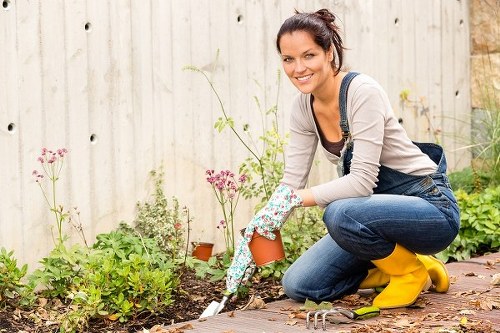
Fulham, renowned for its charming residential areas and picturesque riverside, offers a unique canvas for landscape gardening enthusiasts. Whether you’re a seasoned gardener or a novice looking to enhance your outdoor space, Fulham provides the perfect environment to cultivate a stunning garden that complements the area’s aesthetic appeal.
Landscape gardening in Fulham isn’t just about planting flowers; it’s about creating a harmonious blend of nature and design that enhances your property’s value and provides a serene retreat from the hustle and bustle of city life. With its mild climate and fertile soil, Fulham is ideal for a diverse range of plants and garden styles.
Embracing the principles of landscape gardening can transform your garden into a vibrant ecosystem, supporting local wildlife and promoting biodiversity. From selecting the right plants to designing functional outdoor spaces, this guide will help you navigate the essentials of landscape gardening in Fulham.
Understanding Landscape Gardening
Landscape gardening is the art of designing and organizing outdoor spaces to create visually appealing and functional environments. In Fulham, this involves integrating the natural beauty of the area with creative design elements to enhance both residential and public gardens.
Key components of landscape gardening include plant selection, garden layout, hardscaping features, and maintenance practices. Each element plays a crucial role in achieving a balanced and sustainable garden.
By understanding the fundamentals of landscape gardening, homeowners in Fulham can create personalized gardens that reflect their style and meet their outdoor living needs.
Choosing the Right Plants for Fulham Gardens

Fulham’s temperate climate allows for a wide variety of plants to thrive. When selecting plants for your garden, consider factors such as sunlight exposure, soil type, and water availability.
Perennials are an excellent choice for long-lasting beauty, providing color and structure year after year. Popular options include lavender, peonies, and hostas, which offer both aesthetic appeal and low maintenance requirements.
In addition to perennials, incorporating native plants can enhance the sustainability of your garden. Native species are adapted to Fulham’s climate and soil conditions, making them more resistant to pests and diseases while supporting local wildlife.
Designing Your Garden Layout

A well-thought-out garden layout is essential for maximizing space and creating visual interest. Start by assessing your garden’s existing features, such as pathways, slopes, and existing plantings, to determine the best layout.
Symmetrical designs provide a formal and balanced appearance, while asymmetrical layouts can create a more natural and relaxed atmosphere. Consider incorporating focal points, such as a specimen tree or a decorative bench, to draw the eye and add character to your garden.
Use raised beds and borders to define different areas within your garden, allowing for a variety of planting schemes and easy maintenance. Additionally, integrating hardscaping elements like patios, pergolas, and water features can enhance the functionality and aesthetic appeal of your outdoor space.
Hardscaping Essentials
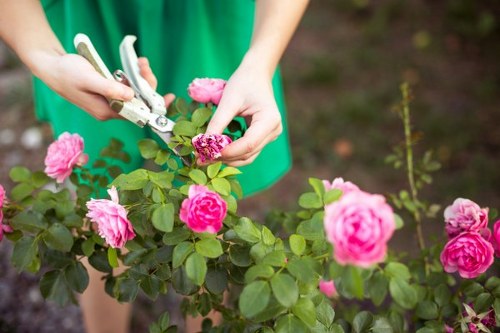
Hardscaping refers to the non-living elements of landscape gardening, such as structures, pathways, and water features. These elements provide structure and functionality to your garden, complementing the natural components.
Pathways guide visitors through your garden, offering a sense of direction and facilitating easy movement. Materials like gravel, paving stones, and decking can be used to create durable and attractive paths.
A well-placed water feature, such as a fountain or pond, can add a soothing element to your garden, creating a tranquil environment that attracts birds and other wildlife.
Maintaining Your Landscape Garden
Regular maintenance is crucial for keeping your landscape garden healthy and beautiful. This involves tasks such as pruning, weeding, mulching, and fertilizing to ensure plants thrive and remain free from pests and diseases.
Pruning helps to shape plants, remove dead or diseased branches, and promote healthy growth. It’s essential to prune at the right times of the year to avoid disrupting the plant’s natural cycle.
Mulching serves multiple purposes, including retaining soil moisture, suppressing weeds, and regulating soil temperature. Organic mulches, such as bark or compost, also enrich the soil as they decompose.
Implementing a regular gardening schedule will help you stay on top of these tasks, ensuring your garden remains a vibrant and inviting space throughout the year.
Incorporating Sustainable Practices
Sustainability is a key aspect of modern landscape gardening, focusing on reducing environmental impact and promoting eco-friendly gardening methods.
Consider using rainwater harvesting systems to collect and reuse rainwater for irrigation, reducing your reliance on municipal water sources. Additionally, choosing drought-tolerant plants can help minimize water usage in your garden.
Embracing composting not only reduces waste but also provides a rich source of nutrients for your plants. Composting kitchen scraps and garden waste can create a sustainable cycle of growth and renewal in your landscape garden.
By integrating these sustainable practices, you contribute to a healthier environment while creating a resilient and low-maintenance garden.
Enhancing Outdoor Living Spaces
Your landscape garden can extend your living space, providing areas for relaxation, entertainment, and recreation. Designing functional outdoor living spaces can significantly enhance your lifestyle.
Consider adding features such as seating areas, outdoor kitchens, and fire pits to create inviting spaces for gatherings and personal relaxation. Comfortable and stylish outdoor furniture can transform your garden into a versatile area suitable for various activities.
Lighting is another essential element in enhancing your outdoor living spaces. Well-placed lighting can highlight key features of your garden, provide safety along pathways, and create a warm and welcoming atmosphere in the evenings.
Seasonal Gardening Tips for Fulham
Fulham’s climate allows for year-round gardening, with each season offering unique opportunities and challenges. Adapting your gardening practices to the changing seasons can help maintain a vibrant and healthy garden all year long.
Spring is the perfect time for planting new annuals and perennials, as well as preparing your garden beds with fresh soil and compost. It’s also an ideal time for pruning deciduous trees and shrubs.
Summer gardening focuses on maintaining plant health through proper watering and mulching. It’s also a great time to harvest fruits and vegetables, allowing you to enjoy the bounty of your garden.
In the autumn, focus on clearing fallen leaves, dividing perennials, and planting spring-flowering bulbs. Winter gardening involves protecting sensitive plants from frost and planning for the upcoming gardening season.
Choosing Professional Landscape Gardeners in Fulham
While DIY gardening can be rewarding, hiring professional landscape gardeners in Fulham can ensure a high-quality and well-maintained garden. Professionals bring expertise in design, plant selection, and maintenance, tailoring their services to your specific needs and preferences.
When selecting a landscape gardener, consider factors such as experience, portfolio, and customer reviews. A reputable professional will work closely with you to understand your vision and transform it into reality.
Investing in professional landscape gardening services can save you time and effort, providing you with a beautiful and functional outdoor space that enhances your property’s value and your quality of life.
DIY Landscape Gardening Projects
For those who enjoy hands-on activities, DIY landscape gardening projects offer a fulfilling way to personalize your garden. Starting with simple projects can build your confidence and skills, leading to more complex designs over time.
Raised garden beds are an excellent DIY project, allowing you to create defined planting areas with ease. They improve soil drainage and make gardening more accessible, especially for those with limited mobility.
Garden paths can be laid with materials like gravel, stepping stones, or reclaimed bricks. Creating a pathway not only adds structure to your garden but also guides visitors through your outdoor space.
Building a compost bin is another practical project, enabling you to recycle organic waste and produce nutrient-rich compost for your plants. Compost bins can be simple DIY structures using pallets or more elaborate designs with multiple compartments.
Maximizing Small Garden Spaces
Fulham properties often feature smaller gardens, making it essential to maximize every inch of available space. Effective space utilization can create a sense of openness and functionality, even in compact areas.
Vertical gardening techniques, such as trellises and wall-mounted planters, allow you to grow more plants without taking up valuable ground space. These methods are ideal for growing climbing plants, herbs, and flowers, adding greenery and color to your walls.
Using multifunctional furniture, such as benches with built-in storage or tables with adjustable heights, can enhance the functionality of your garden. Additionally, selecting compact plant varieties and arranging them in layers can create the illusion of a larger space.
Implementing reflective surfaces, such as mirrors or water features, can also create an illusion of depth and make your small garden feel more expansive.
Integrating Technology in Landscape Gardening
Modern technology offers numerous tools and solutions to enhance landscape gardening. From smart irrigation systems to garden planning software, technology can make gardening more efficient and enjoyable.
Smart irrigation systems use sensors and automated controls to optimize water usage, ensuring your plants receive the right amount of hydration while conserving resources. These systems can be programmed to adjust watering schedules based on weather conditions.
Garden planning software allows you to design and visualize your garden layout digitally before making any physical changes. This technology can help you experiment with different plant arrangements and design elements, ensuring a cohesive and harmonious garden design.
Additionally, mobile applications can assist with plant care, providing reminders for watering, fertilizing, and other maintenance tasks. These tools make it easier to manage your garden and keep it thriving throughout the year.
Creating Wildlife-Friendly Gardens
A wildlife-friendly garden supports local biodiversity and creates a vibrant ecosystem in your outdoor space. By incorporating features that attract and sustain wildlife, you contribute to the environmental health of Fulham.
Bird feeders and baths attract various bird species, providing them with food and water while adding dynamic movement and sound to your garden. Planting native flowers and shrubs can also provide habitat and food sources for birds and insects.
Bee-friendly plants are essential for supporting pollinators, which play a crucial role in plant reproduction and ecosystem balance. Incorporate plants like lavender, sunflowers, and wildflowers to create a haven for bees and butterflies.
Installing bat boxes and insect hotels can further enhance the biodiversity of your garden, providing shelter and nesting sites for beneficial species.
Budget-Friendly Landscape Gardening Tips
Creating a beautiful landscape garden in Fulham doesn’t have to break the bank. With careful planning and resourceful strategies, you can achieve a stunning garden on a budget.
Reuse and recycle materials to save costs and reduce waste. Repurposing items like old pallets for raised beds or using reclaimed bricks for pathways can add unique character to your garden while being cost-effective.
DIY projects allow you to customize your garden without the expense of hiring professionals. Building your own garden furniture, compost bins, or trellises can save money and provide a sense of accomplishment.
Opting for perennials instead of annuals can reduce long-term costs, as perennials return each year without the need for replanting. Additionally, propagating plants from cuttings or seeds is an economical way to expand your garden.
Final Thoughts on Landscape Gardening in Fulham
Landscape gardening in Fulham offers endless possibilities for creating a personalized and inviting outdoor space. By understanding the fundamentals, selecting the right plants, and incorporating thoughtful design elements, you can transform your garden into a stunning sanctuary.
Whether you choose to embark on your gardening journey solo or enlist the help of professional landscapers, the key to success lies in careful planning, ongoing maintenance, and a passion for nurturing nature.
Contact us today to start your landscape gardening project in Fulham and turn your vision into reality.
Book Your Service Now
Ready to elevate your garden? Book your service now and let our experts help you create the landscape of your dreams in Fulham.