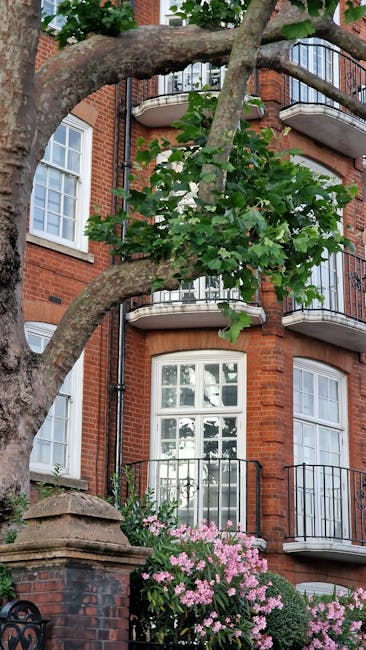
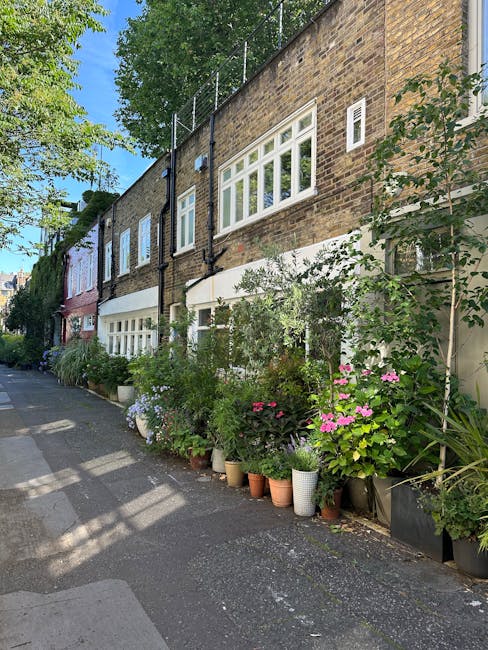
Parsons Green balcony gardeners for small terraces and courtyards
If you live in Parsons Green and your outdoor space is more of a pocket than a plot, you are not alone. A balcony, terrace, or tucked-away courtyard can still feel lush, private, and properly useful with the right approach. That is where Parsons Green balcony gardeners for small terraces and courtyards come in: they know how to make limited space work hard without making it feel crowded. The trick is not simply adding more plants. It is choosing the right planting, layout, maintenance rhythm, and materials so the space feels calm, not cluttered. And yes, even a tiny courtyard can become the best room in the house when it is designed well.
This guide walks through what balcony and courtyard gardening involves, why it matters in a neighbourhood like Parsons Green, how the process works, and what to expect if you are planning to improve a compact outdoor area. You will also find practical tips, common mistakes, a comparison of methods, and a realistic checklist to help you move forward with confidence.
Contents
- Why Parsons Green balcony gardeners for small terraces and courtyards matters
- How Parsons Green balcony gardeners for small terraces and courtyards works
- Key benefits and practical advantages
- Who this is for and when it makes sense
- Step-by-step guidance
- Expert tips for better results
- Common mistakes to avoid
- Tools, resources and recommendations
- Law, compliance, standards, or best practice
- Options, methods, or comparison table
- Case study or real-world example
- Practical checklist
- Conclusion
- Frequently asked questions
Why Parsons Green balcony gardeners for small terraces and courtyards Matters
Small outdoor spaces are often underestimated. A lot of people think a balcony or courtyard is too limited to be worth investing in, but that is usually the moment it needs the most thought. In Parsons Green, where many homes have compact terraces, upper-floor balconies, or enclosed courtyards, the right garden plan can make a noticeable difference to daily life.
These spaces are not just decorative. They can soften hard city edges, improve privacy, create a place to sit with a morning coffee, and make a home feel calmer. There is something grounding about opening the door on a grey London morning and seeing greenery instead of brick, railings, or paving. It shifts the mood straight away.
They also come with constraints that are easy to miss. Wind exposure, limited depth for containers, drainage, weight limits, and shade from neighbouring buildings all affect what will survive and thrive. A good balcony gardener understands those constraints rather than fighting them. That is the real value. Not making the space look busy for a week, but helping it work properly through the seasons.
If you are thinking beyond planting and want the whole outdoor space to feel more considered, it can help to look at wider support such as landscape gardening and ongoing garden maintenance. Those services can complement the plant-led work and keep a small space looking tidy rather than tired.
Expert summary: Small terraces and courtyards do best when design decisions are practical first, pretty second, and then pretty again once the practical bits are sorted. That order matters more than people think.
How Parsons Green balcony gardeners for small terraces and courtyards Works
Balcony and courtyard gardening usually starts with a space audit. That sounds formal, but it is really just a careful look at the conditions. How much light does the area get? Is it facing north, south, east, or west? Does wind whip through it at the first sign of weather? Where does rain collect? Is there room for containers without blocking movement? These questions shape everything that follows.
From there, the plan is usually built around three layers:
- Structure: the hard surfaces, screens, planters, shelves, or trellis that define the space
- Planting: the plants, herbs, shrubs, climbers, and seasonal colour that bring it to life
- Maintenance: the watering, feeding, pruning, and tidying that keep it healthy
For small terraces, the structure matters a lot. A single well-chosen bench, a long planter, or a climbing frame can give the illusion of depth without eating up the floor. Courtyards often benefit from a mix of planters and vertical planting so the eye moves upward as well as across. That simple shift can make a cramped space feel more generous. Funny how often that works.
Good balcony gardeners also think in terms of practical routines. A tiny space with thirsty container plants may need more attention in warm spells, while a shaded courtyard might need moisture control and shade-tolerant planting. A neat layout means you can water, prune, and sweep without feeling like you are negotiating an obstacle course. If a garden design makes routine care awkward, it rarely stays lovely for long.
In some projects, the gardening work sits alongside light hardscape improvements. A simple decked area, for example, can make a courtyard feel warmer underfoot and easier to arrange. If that sounds useful, it is worth exploring decking services as part of the wider plan rather than treating the floor as an afterthought.
Key Benefits and Practical Advantages
There are plenty of reasons to invest in a compact outdoor space, and not all of them are about appearances. A well-designed balcony garden can improve how the space functions day to day. It can also make a property feel better cared for, which matters if you are renting, selling, or simply trying to enjoy your home more.
- Better use of limited space: Smart layout turns awkward corners into usable zones.
- Privacy: Screening plants and soft structure can reduce the exposed feeling of balconies and overlooked courtyards.
- More seasonal interest: You can build a year-round rhythm with foliage, flowers, scent, and texture.
- Easier everyday enjoyment: A space that is simple to maintain is more likely to be used.
- Lower visual clutter: Good design reduces the "I need to do something with this" feeling.
- Improved wellbeing: Even a few minutes among plants can make a flat feel less sealed-in.
There is also a real practical upside for busy households. Small terrace gardens are easier to bring under control if they have the right planting mix and a sensible maintenance plan. If you are not starting from scratch, it may only take some pruning, re-potting, and clearing out dead material to make the space feel new again. For that kind of reset, garden clearance can be a useful starting point before any design work begins.
And let us be honest: when a small courtyard is overfilled with tired pots and random furniture, it can start to feel like storage rather than outdoor living. Nobody wants that. A good gardener understands how to give the eye a rest.
Who This Is For and When It Makes Sense
Parsons Green balcony gardeners for small terraces and courtyards are a strong fit for people who want a usable, attractive space but do not have the luxury of a large garden. That includes flat owners, renters, landlords, and small property managers. It also suits anyone who has tried the DIY route and found that pots dry out too fast, climbers take over, or the whole space ends up looking a bit improvised.
This approach makes particular sense if:
- your balcony gets strong wind and needs tougher planting
- your courtyard is shaded for much of the day
- you want privacy without building solid barriers
- you need a low-fuss plan that still looks polished
- you would like to use the space for sitting, dining, or working outdoors
- you are preparing a property for tenants or viewings
It is also a smart choice if the space has structural or access limitations. Some balconies cannot take heavy planters without thought. Some courtyards drain badly after rain. Some terraces need light-touch improvements because the key issue is not the plants, it is the layout. That distinction matters. Quite a lot, actually.
If you are comparing support options, look at the broader picture too. A well-rounded provider may combine planting with landscaping or routine trimming such as hedge trimming where screening or boundary plants need regular shaping.
Step-by-Step Guidance
Here is a straightforward way to approach a small terrace or courtyard project without getting overwhelmed.
- Assess light and exposure. Spend time noticing where sun, shade, and wind land across the day. Midday light is not the same as early evening light, and the difference can decide whether a plant thrives or sulks.
- Measure the usable footprint. Do not just measure the floor. Think about door swing, storage access, and how many people should move through the space at once.
- Decide the main function. Is the space for sitting, growing herbs, screening, entertaining, or all four? A clear purpose stops the design drifting.
- Choose the structure first. Containers, shelving, trellis, seating, or decking should be placed before choosing decorative plants. Structure gives the garden its bones.
- Select plants suited to the conditions. Shade-tolerant plants, drought-resistant plants, and wind-tolerant plants all behave differently. Pick for reality, not for a lovely label.
- Plan maintenance from day one. Watering access, drainage, and pruning needs should all be considered before the space is finished.
- Review after a few weeks. Small gardens reveal their problems quickly. If something is crowding the space, tipping over, or drying out too fast, adjust it early.
A simple truth: the best compact gardens are edited, not stuffed. That means leaving breathing room around plants and furniture. A little empty space is not wasted space. It is what makes the planting sing.
For clients who want a tidy finish and less seasonal build-up, pairing the project with regular lawn mowing is not usually relevant on balconies, of course, but it can matter in mixed outdoor settings where a courtyard opens onto a shared garden edge. Context matters more than labels.
Expert Tips for Better Results
Small-space gardening rewards restraint. That is the first tip, and maybe the hardest one. A balcony or courtyard can look beautiful with fewer elements than you expect, provided those elements are chosen well.
- Use height thoughtfully: Mix floor-level planters with wall-mounted or trellised planting to create depth without crowding the base.
- Repeat materials: A small palette of pot finishes, colours, or planter shapes looks calmer than a random mix.
- Think in layers: Tall, medium, and trailing plants together give more texture than a row of the same thing.
- Choose lighter containers where needed: Especially on balconies, weight and ease of movement should not be ignored.
- Prioritise drainage: A beautiful pot with poor drainage is just a frustration waiting to happen.
- Keep one area clear: Even in a lush design, preserve a spot for standing, sitting, or opening doors easily.
If you want your space to feel more settled and less like a patchwork, soft landscaping choices matter. Plant combinations should feel like they belong to each other. A good mix often includes evergreen structure, one or two seasonal highlights, and perhaps herbs or scent plants close to hand. That little touch of rosemary or thyme can change the mood in a way people often underestimate.
One more thing. Do not force every surface to perform. A small terrace does not need to grow on every inch of it. A bit of restraint keeps the garden from becoming fiddly, and fiddly gardens are the ones that quietly lose the battle by August.
Common Mistakes to Avoid
Most problems in small balcony and courtyard gardens are not dramatic. They are small issues that build up. The good news? They are easy to avoid once you know what to watch for.
- Overcrowding the space: Too many pots, too many colours, too many objects. The result is visual noise.
- Ignoring wind: Flimsy plants and unstable containers can become a nuisance quickly.
- Choosing plants for looks only: If a plant does not suit shade, exposure, or watering habits, it will not perform for long.
- Forgetting access: If you cannot reach the back of a planter, maintenance becomes awkward.
- Poor drainage: Waterlogged roots are a common reason compact gardens fail.
- Leaving old pots and debris in place: Clutter makes the space feel smaller and can hide issues.
Another frequent mistake is designing for a perfect day in spring and not for a soggy Tuesday in November. London weather does not always cooperate. A balcony garden needs to look decent in the less glamorous months too. If it only works when the sun is out, it is half a solution.
When a space has become overwhelmed, a clean-out can make a bigger difference than a full redesign. In those cases, a proper clearance followed by careful replanting usually produces a much better result than trying to rescue everything at once.
Tools, Resources and Recommendations
You do not need a warehouse of equipment to maintain a balcony or courtyard garden. In fact, too many tools can become part of the clutter problem. A sensible set-up is usually enough.
| Item | Why it helps | Best for |
|---|---|---|
| Lightweight watering can or hose alternative | Makes watering easier without drenching the whole area | Balconies and compact courtyards |
| Quality potting compost | Supports container planting and better moisture balance | Most container displays |
| Pruning shears | Helps keep climbers, shrubs, and herbs compact and healthy | Regular maintenance |
| Drainage trays or saucers | Protects surfaces and reduces mess | Balconies with hard flooring |
| Compact storage box | Keeps gloves, feed, and small tools out of sight | Neater long-term presentation |
For larger or more awkward spaces, it may be worth asking whether a broader plan could help. A project that starts with plants may also benefit from improvements to circulation, surfaces, or screening. That is where services overview pages can be useful for understanding how different garden tasks fit together.
And if you are choosing a provider, it is sensible to look at how they handle safety, access, and professional standards. A small space is not automatically easy just because it is small. Sometimes it is the opposite.
Law, Compliance, Standards, or Best Practice
For balcony and courtyard work, the main compliance concerns are usually practical rather than dramatic. You are not normally dealing with planning-heavy changes unless the project alters the structure of a property or shared building features. Still, it is wise to stay alert to a few standard issues.
- Weight load: Balconies should not be overloaded with heavy planters, water-filled containers, or dense materials. If in doubt, keep materials lighter and spread the load sensibly.
- Drainage: Water should not be allowed to collect in ways that cause slips, staining, or damage to surfaces.
- Shared access: In flats or managed buildings, keep communal routes clear and avoid placing items where they obstruct access.
- Working at height: Maintenance on upper floors should be carried out carefully, especially if ladders, long tools, or awkward lifting are involved.
- Insurance and safety: It is reasonable to ask how a contractor approaches risk, access, and property protection before any work begins.
Best practice also means being realistic about what a space can handle. For example, a screening hedge may be better kept in a container and clipped regularly rather than allowed to become too heavy or top-heavy. In some cases, the right answer is a lighter structural solution plus careful upkeep, not a big intervention. That is often the more durable route.
If you are comparing providers, it is sensible to review pages such as health and safety policy and insurance and safety. Those pages are useful not because they are flashy, but because they tell you a lot about how seriously a company treats the work.
Options, Methods, or Comparison Table
There is no single right way to improve a compact outdoor space. The best method depends on how the area is used and how much maintenance you want to take on afterwards. Here is a straightforward comparison.
| Approach | Best for | Pros | Trade-offs |
|---|---|---|---|
| Container planting only | Quick refreshes and renters | Flexible, low-commitment, easy to change | Can look busy if overdone; needs regular watering |
| Mixed planting with vertical structure | Privacy and visual depth | Makes the space feel larger; good for screening | Needs thoughtful selection and occasional pruning |
| Planting plus decking or hardscape refresh | Courtyards and worn terraces | Cleaner layout, easier movement, stronger finish | More involved and usually higher initial effort |
| Maintenance-led recovery | Neglected small spaces | Fast way to regain control and improve appearance | May need further redesign later if the layout is poor |
In practice, many small gardens end up using a combination of these methods. A courtyard might need tidying first, then planting, then a few structural improvements. That layered approach is often the most sensible. A bit of patience here saves a lot of rework later.
Case Study or Real-World Example
Picture a Parsons Green flat with a modest balcony and a small courtyard below. The balcony had a couple of tired pots, a folding chair, and not much else. The courtyard was paved, slightly shaded, and had become a place where old containers gathered in the corners. Not terrible, just neglected. You could see the potential, though, which is often the first sign worth paying attention to.
The first step was clearing out dead growth and removing the pots that were either cracked, too heavy, or simply in the wrong place. Next came a more careful layout: one long planter for structure, a pair of lighter pots for seasonal planting, and a simple trellis to create privacy without blocking all the light. The courtyard kept a clear central walkway, which made the whole area feel less cramped straight away.
The result was not a jungle. Thank goodness. It was better than that. The space became calmer, easier to use, and much nicer to look at from indoors. The balcony could hold a coffee tray without feeling overfull, and the courtyard looked like it belonged to the property again instead of to a pile of forgotten containers.
What made the biggest difference was not the number of plants, but the discipline of the layout. Fewer, better-chosen items. Clear circulation. Regular maintenance. Simple enough, but easy to get wrong when you are doing it yourself on a Saturday with three different opinions in your head.
Practical Checklist
Use this before starting work on a balcony, terrace, or courtyard.
- Check light levels across the day
- Note wind exposure and sheltered corners
- Measure floor space, access routes, and door swing
- Confirm any weight concerns for balcony containers
- Decide whether the space is for sitting, planting, screening, or all three
- Remove dead plants, broken pots, and unused clutter
- Choose a simple planting palette that suits the conditions
- Make sure drainage is workable
- Keep one clear zone for movement or seating
- Plan watering and upkeep before finishing the design
- Consider whether regular garden maintenance would help preserve the result
If you can tick most of those off, you are already ahead of the game. Small-space gardens reward planning. They really do.
Conclusion
Parsons Green balcony gardeners for small terraces and courtyards offer something genuinely useful: not just prettier outdoor space, but a better way to live with the space you already have. With the right planting, a sensible layout, and a maintenance plan that suits real life, even a compact balcony can feel generous and inviting. Even a tight courtyard can become a place you actually want to spend time in.
The strongest results usually come from keeping things simple, choosing plants for the conditions rather than the fantasy, and making sure the garden is easy to care for. That is what creates staying power. Not one-off impact, but everyday enjoyment.
If you are ready to improve a small terrace or courtyard, take the next step with a clear brief and a practical eye. The best tiny gardens are not loud. They are quietly satisfying, day after day.
Get a free quote today and see how much you can save.
Frequently Asked Questions
What do Parsons Green balcony gardeners for small terraces and courtyards actually do?
They help design, plant, tidy, and maintain compact outdoor spaces so they look good and work well. That can include container planting, pruning, layout improvements, clearing clutter, and ongoing care.
Is a balcony or courtyard garden hard to maintain?
Not if it is designed properly. The main problems usually come from choosing the wrong plants, overcrowding the space, or forgetting drainage and watering. A simple plan is often easier to maintain than a fussy one.
Can a very small terrace still feel private?
Yes. Privacy can be improved with screening plants, trellis, taller containers, and careful positioning of seating. You do not need to block everything. Even partial screening can make a space feel calmer.
What plants work best in a windy balcony in Parsons Green?
Tougher, more compact plants usually cope better than soft, sprawling varieties. Wind exposure matters a lot, so plant choice should be based on the actual conditions rather than just appearance.
Do small courtyard gardens need professional maintenance?
They do not always need it, but it can help if the space has limited access, awkward planting, or a layout that needs regular shaping. A maintenance visit now and then can stop a small space from getting messy fast.
How do I make a narrow terrace look bigger?
Use vertical planting, repeat a few materials, keep the floor as open as possible, and avoid too many small objects. Clear sightlines usually make the biggest difference. Less clutter, more breathing room.
Are decked areas useful in small courtyards?
They can be, especially where a courtyard feels cold or visually fragmented. Decking can help define a sitting zone and create a warmer, more coherent surface. It is worth considering if the existing paving feels tired.
What is the biggest mistake people make with balcony gardens?
Overfilling them. People often buy too many plants or too many decorative items, and the result is cramped rather than charming. Editing the space usually gives a better finish than adding more to it.
How often should container plants be checked?
That depends on weather, exposure, and plant type. In warm, dry spells, container plants may need checking far more often than people expect. The key is to monitor rather than assume. Containers can dry out quickly.
Should I clear everything out before redesigning a small terrace?
Often yes, or at least clear out anything dead, broken, or badly placed. Starting with a clean space makes it much easier to judge what is worth keeping. If the area is heavily cluttered, clearance first is usually the smarter move.
What should I ask before hiring a balcony gardener?
Ask how they approach layout, plant choice, drainage, safety, and upkeep. If they also understand landscaping and broader garden work, that can be a good sign because small spaces often need joined-up thinking.
Can a courtyard garden be designed for both style and low upkeep?
Absolutely. That is often the sweet spot. A restrained planting palette, sensible containers, and a few structural features can create a lovely courtyard without turning it into a maintenance burden.
How do I get started if I am not sure what my space needs?
Start with light, space, and function. Once those are clear, the rest becomes much easier to decide. If you still feel stuck, ask for a site visit or planning discussion and be honest about how much time you want to spend on upkeep. That honesty helps more than people think.
For more about the team behind the service, you can also read about us or explore the full services overview. If you are ready to talk through your space, the contact us page is the next sensible stop.