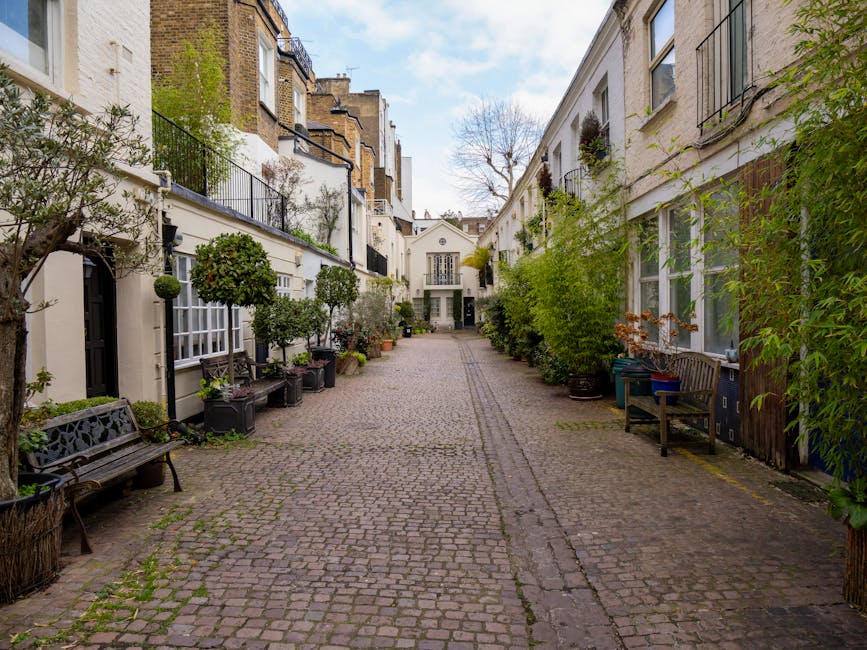
Gardeners access problems on Fulham mews common problems explained
If you have ever tried to organise garden work in a Fulham mews, you will know the job rarely begins with the lawn or the hedge. It usually begins with access. Narrow lanes, shared entrances, locked gates, awkward parking, tight turning space, and neighbours who quite rightly do not want their hallway blocked for half the morning - that is the real starting point. This article on Gardeners access problems on Fulham mews common problems explained breaks down the practical issues, why they matter, and how to plan a smoother visit without the usual stress.
In simple terms, access problems can add time, cost, risk, and frustration to even a straightforward garden job. The good news? Most of the headaches are predictable. Once you know what tends to go wrong in mews properties, you can plan around it properly. And honestly, that makes a big difference on a wet Tuesday when everyone is trying to get in and out before school run traffic starts.
Table of Contents
- Why access problems matter in Fulham mews
- How access planning works on a mews job
- Key benefits of sorting access early
- Who this is for
- Step-by-step guidance
- Expert tips for better results
- Common mistakes to avoid
- Tools, resources and recommendations
- Law, compliance and best practice
- Options and method comparison
- Case study or real-world example
- Practical checklist
- Conclusion
- Frequently asked questions
Why Gardeners access problems on Fulham mews common problems explained Matters
Access is not just a logistics issue. It affects whether the work can be done safely, whether the team can bring the right equipment, and whether the customer gets the result they expected. In a mews setting, a gardener may have to deal with limited vehicle access, narrow frontages, no loading space, shared paths, side-return bottlenecks, and gardens that can only be reached through the house. That sounds minor until you are carrying soil bags, tools, a mower, and waste through a tight passage with a low light fitting you keep brushing your shoulder against.
These constraints matter because they shape the whole job. A team may need smaller tools, more labour, extra visits, or a different waste-removal plan. If nobody talks about access beforehand, the day can unravel fast. The work may still get done, but it can take longer, cost more, and create avoidable disruption. To be fair, most of the frustration comes from small things stacking up: a gate that sticks, a neighbour's car parked where it was not supposed to be, or a delivery van blocking the only sensible entry point.
For residents in Fulham mews homes, access planning also protects the property itself. Narrow routes mean more chance of scuffed paintwork, chipped paving, damaged plants, or muddy footprints being carried in and out. Good access planning reduces those risks, keeps neighbours happier, and helps the garden team work with a bit more rhythm. That rhythm matters more than people think.
Expert summary: if the team can get in, set up, work, and leave without improvising too much, the job is usually calmer, faster, and cleaner. In mews properties, that calm is half the battle.
How Gardeners access problems on Fulham mews common problems explained Works
At a practical level, solving access problems is about matching the job to the property. The garden service needs enough information to decide what tools to bring, how many people to send, where to park if parking is even possible, and how to move waste out without causing a scene. It is a bit like planning a move in miniature, except with wheelbarrows and hedge clippings instead of boxes.
The process usually starts with a basic review of the site. That can include the width of access routes, gate clearance, step heights, the presence of shared entrances, and whether equipment needs to pass through living spaces. A good gardener will also think about the surface underfoot, because old paving, damp decking, and uneven cobbles can turn a simple carry into a slow, careful shuffle.
Then comes sequencing. The order of work matters. If a clearance job is underway, waste may need to be bagged and moved out in stages so it does not clog the path. If hedge trimming is involved, cuttings should be managed as they fall rather than left to build into a slippery heap. If lawn mowing or maintenance is the aim, access may be easier, but there can still be bottlenecks around bins, bikes, prams, or plant pots tucked along the route.
In many cases, the solution is not dramatic. It is just good planning. Sometimes the team arrives with compact tools, sometimes they split the work into smaller phases, and sometimes they agree in advance that a rear gate or side route will be unlocked before the visit. Simple, really. Though getting everyone to remember that one detail is another matter.
Key Benefits and Practical Advantages
There are real benefits to dealing with access properly before the first tool comes out of the van. The obvious one is efficiency. A team that can move freely does not waste time waiting for gates to be opened, cars to be moved, or routes to be cleared. That can make a noticeable difference on a busy Fulham street where even ten minutes can feel like a small lifetime.
Another advantage is safety. Narrow mews access often means more lifting, more turning, and more careful footing. If the route is prepared in advance, there is less chance of trips, dropped tools, or accidental damage. This is especially relevant where the work includes heavier tasks such as garden clearance, tree work, or moving bulky bags of waste. Services like garden clearance and tree lopping and removal can be particularly sensitive to access limitations.
There is also a customer-experience benefit. People remember the feeling of the visit, not just the final result. If the team arrives organised, keeps the pathway tidy, and avoids needless disturbance, the whole service feels more professional. That matters for repeat maintenance work, especially if you use garden maintenance regularly rather than as a one-off rescue job.
- Fewer delays: everyone knows where to enter, park, and unload.
- Lower risk of damage: fewer bumps, scrapes, and crushed plants.
- Better pricing clarity: access difficulties can be factored in early.
- Smoother neighbour relations: less blocking, shouting, and confusion in shared spaces.
- More consistent results: the team can focus on the garden, not the route into it.
And let's not forget morale. A job that starts well tends to stay well. That is true in gardening, and frankly in life too.
Who This Is For and When It Makes Sense
This topic matters most to people living in mews houses, converted stable-style homes, courtyard properties, and compact rear-garden spaces where the access route is tighter than a standard terrace. It also applies to landlords, estate managers, and property owners who are arranging work for someone else and need to avoid the usual "Oh, I didn't realise the gate was locked" moment.
You are likely to benefit from proper access planning if:
- the garden can only be reached through the property;
- there is shared access with neighbours;
- parking is limited or loading is awkward;
- the garden has heavy waste, mature shrubs, or overgrown borders;
- you need regular visits rather than one-off work;
- there are surface protection concerns, such as polished floors, old tiles, or decking.
If you are planning more than light tidying, access becomes even more important. A simple mow might be manageable with a small hand mower, but a bigger project such as landscaping, structural planting, hedge reduction, or deck cleaning can be much more sensitive to site conditions. In those cases, it may help to review related services like landscaping, landscape gardening, or hedge trimming depending on what the garden actually needs.
It also makes sense if you are trying to coordinate around other trades. Mews properties often have a lot going on in a small footprint, and access clashes are common. If a builder, decorator, or delivery driver is already on site, garden access can become the thing everyone forgot to timetable. That little oversight can cause a surprising amount of chaos.
Step-by-Step Guidance
Here is a practical way to handle access problems before they become actual problems. Nothing fancy. Just the kind of process that saves time later.
- Walk the route yourself. Start at the street and move all the way to the garden. Note every gate, step, narrow corner, and shared point.
- Check width and height restrictions. Make sure wheelbarrows, tool cases, and larger items can pass safely. A route that looks fine at a glance can be awkward once you are carrying something bulky.
- Identify parking and unloading options. If a vehicle cannot stop close by, think about how far equipment has to be carried. That affects labour and timing.
- Clear the route before the visit. Move bikes, bins, prams, garden furniture, and loose pots. Yes, even the "just for now" items.
- Agree gate and key access in advance. It sounds basic, but it is one of the most common causes of delay.
- Protect surfaces and interiors if needed. If tools must pass through a hallway or kitchen, coverings and cleaner shoes can make a big difference.
- Plan waste removal early. For clearance work, decide whether waste can be carried out in bags, staged in the garden, or needs a different method.
- Confirm the job order. If the access route is one-way or narrow, the team may need to bring materials in before beginning the messier parts of the work.
A useful rule of thumb: if the route looks comfortable for a person carrying two heavy bags and a long-handled tool, it is probably workable. If not, expect slower progress and plan accordingly.
When in doubt, send photos. Not glamorous, but hugely useful. A few clear pictures of gates, steps, side returns, and the rear approach can save a lot of guesswork.
Expert Tips for Better Results
Here are the small details that often make the biggest difference on a mews job.
- Schedule around traffic and neighbours: early starts can be helpful, but only if the access route is not shared with school-run or delivery traffic.
- Use compact tools where possible: smaller equipment can be a better fit than forcing a standard setup into a tight space.
- Protect corners and thresholds: these are the places most likely to get scuffed.
- Keep waste moving: do not let clippings, soil, or branches build up in the only route out.
- Agree who opens what: front gate, rear gate, side access, bin store, all of it. One missing key can stall the whole morning.
- Factor in wet weather: in a London drizzle, a narrow access path becomes more slippery and more delicate. You notice it straight away.
In our experience, the best jobs are the ones where the gardener and the property owner speak plainly beforehand. Not a giant checklist. Just enough detail to avoid surprises. A five-minute conversation can save an hour later, which is not a bad trade.
It also helps to keep expectations realistic. If access is tight, the team may move slower and use smaller tools, and that does not mean they are underperforming. It means they are being careful. There is a difference, and a big one.
Common Mistakes to Avoid
Access problems are usually predictable, which is why the same mistakes keep cropping up. The first is assuming the team will simply "work around it". Sometimes they can, but not always, and not without consequences. A blocked route or a locked gate can turn a tidy job into a stop-start hassle.
The second mistake is underestimating waste volume. A hedge trim, light clearance, or border overhaul may look neat from a distance, but once everything is cut back the volume can be far greater than expected. That is especially true with mature gardens, dense planting, and overgrown plots that have not had regular attention. If the job is already borderline for access, excess waste can be the thing that tips it over.
Another frequent issue is forgetting about internal protection. If the only way to reach the garden is through the house, mats, dust sheets, and careful handling become important. People often think about muddy boots but forget the awkward thud of a tool handle against a doorway or radiator. Small stuff. Annoying stuff.
- Not measuring the route properly
- Leaving gates locked or keys unavailable
- Ignoring shared access with neighbours
- Assuming parking will sort itself out
- Overlooking waste storage and removal
- Failing to warn about fragile flooring or tight interior spaces
Then there is the classic one: saying "it should be fine" when nobody has actually checked. Truth be told, that sentence causes more delay than most people realise.
Tools, Resources and Recommendations
You do not need complicated gear to improve access planning, but a few simple things help a lot.
| Tool or resource | Why it helps | Best for |
|---|---|---|
| Phone photos of the route | Shows gate widths, steps, and bottlenecks clearly | Initial planning and quoting |
| Measuring tape | Confirms whether tools and waste bags can pass | Narrow entrances and side passages |
| Surface covers or mats | Protects floors and thresholds from dirt and wear | Jobs passing through the house |
| Clear labels for keys or gates | Reduces delays and confusion on arrival | Shared or multi-entry properties |
| Compact garden equipment | Makes movement easier in confined spaces | Mews gardens with limited manoeuvring room |
If the property needs regular upkeep, a planned maintenance approach is often better than one-off reactive visits. Regular trimming, mowing, and tidying tend to produce smaller waste volumes and fewer surprises. You can explore broader service options through the services overview if you are deciding what level of support fits the property.
For customers who want to understand value before committing, it is also sensible to review pricing and quotes. Access limitations can affect estimates, so the clearer the brief, the better the pricing conversation tends to be.
A final practical note: if access is especially awkward, recycling and waste separation may still matter. A responsible team should think about how green waste is managed, especially where large amounts of cuttings or clearance material are involved. That links naturally with recycling and sustainability.
Law, Compliance, Standards, or Best Practice
Not every access issue is a legal issue, but some are tied to safety, duty of care, and common-sense working practices. In the UK, garden teams are generally expected to work safely, avoid unnecessary property damage, and respect shared access arrangements. That may sound obvious, yet in tight mews settings the practical side matters a great deal.
If equipment or materials need to pass through a home or shared area, good practice usually includes advance permission, care around surfaces, and clear communication about timing. If a job involves ladders, cutting tools, large branches, or heavy waste, the risk profile goes up and the planning should become more careful, not less. This is where a provider's internal policies matter. It can be useful to understand how a company approaches health and safety policy and insurance and safety before booking.
Accessibility is another angle worth noting. Even if a garden itself is not publicly accessible, practical thinking around clear routes, visible hazards, and fair use of shared spaces is still important. If you want to know how a business frames these expectations, an accessibility statement can be a helpful reference point.
For larger work, tree-related tasks, boundary work, or jobs that could affect neighbouring property, communication becomes even more important. No one wants branches blocking a shared path at 8:00 on a wet morning. You know the type of day.
Options, Methods, or Comparison Table
There is more than one way to manage access on a Fulham mews job. The best method depends on the property, the task, and how much disruption you can tolerate.
| Method | Pros | Limitations | Best use |
|---|---|---|---|
| Full access through the house | Reliable if the route is clear and protected | Higher risk of dirt and interior wear | Rear gardens with no outside entry |
| Shared side or rear access | Often quicker and cleaner | Depends on neighbour cooperation | Mews homes with communal routes |
| Compact, phased visits | Reduces congestion and waste buildup | May take longer overall | Clearance, pruning, and larger maintenance jobs |
| Single-visit intensive work | Convenient for getting a lot done at once | Can be harder to manage in tight spaces | When access is broad enough and waste is manageable |
For some gardens, a phased approach is the smartest choice. It feels a bit less dramatic, but it often produces the best outcome. A team might do the trimming first, return to remove waste, then complete the final tidy-up after everything else is clear. It is not glamorous, but it works.
For other properties, especially those needing larger changes, a broader design-and-work plan can help. If you are considering bigger improvements, landscape gardening or landscaping may be the better route than trying to patch problems as you go.
Case Study or Real-World Example
Imagine a small Fulham mews property with a rear garden reached only through the kitchen. The garden has a tired lawn, a couple of overgrown shrubs, and a pile of old pots near the back wall. Nothing extreme. But the kitchen is narrow, the side turn is tight, and there is a stone threshold that catches trolley wheels if you are not careful.
The first visit is all about access. The homeowner clears the route the night before, moves the bins, and leaves the gate unlocked. The gardener arrives with lighter equipment, protects the kitchen floor, and starts by removing the loose clutter before touching the lawn. Waste is bagged in smaller loads rather than one huge pile. The hedge is trimmed in stages so the pathway stays open.
The result? No drama, no damaged plant pots, no "can you just squeeze past there?" moments. The job takes a little longer than it would in a wide-open garden, but the finish is cleaner because the team was not fighting the property the whole time.
The key lesson is simple: in mews gardens, access planning is part of the service, not an optional extra.
That is where many people have the lightbulb moment. The garden itself was never the only issue. The route in and out was doing a lot of hidden work behind the scenes.
Practical Checklist
Use this checklist before any gardening visit where access may be tight.
- Confirm how the team will enter the property
- Check whether keys, codes, or someone on-site will be needed
- Measure narrow gates or side routes if the access looks tight
- Move cars, bikes, bins, and loose obstacles
- Protect floors, thresholds, and indoor corners if tools must pass through the house
- Tell the gardener about fragile paving, decking, or delicate planting
- Agree where waste will be stored before removal
- Warn neighbours if shared access will be used
- Share photos if the layout is unusual or difficult to describe
- Check whether the job includes clearance, mowing, hedge work, or larger landscaping tasks
If you can tick most of those boxes, the odds of a smooth visit go up fast. If not, it is worth pausing and sorting the access first. That small bit of prep often saves the most time overall.
Get a free quote today and see how much you can save.
Conclusion
Garden access on Fulham mews properties is rarely impossible, but it is often more complicated than people expect. The common problems are usually the same: narrow routes, shared entrances, parking limits, protected interiors, awkward waste movement, and simple communication gaps. Once you understand those pressure points, the whole job becomes easier to manage.
The real win is not just avoiding inconvenience. It is creating the conditions for a proper result. A gardener who can move safely and work without constant interruption will usually do better work, with less mess and less stress all round. That is the whole point, really.
If you are planning garden work in a mews property, take access seriously from the start. A little preparation, a few honest measurements, and a clear conversation can turn a tricky visit into a smooth one. And if you have ever tried to manoeuvre a wheelbarrow through a narrow passage after rain, you already know why that matters.
Good access planning is one of those quiet things that makes everything else look easy.
Frequently Asked Questions
What are the most common access problems for gardeners in Fulham mews?
The most common issues are narrow entrances, shared gates, limited parking, tight turning space, and routes that pass through the house. Waste removal can also be awkward if there is no direct rear access.
Why does access matter so much for garden maintenance?
Access affects safety, time, and the amount of disruption to your home and neighbours. Good access planning helps the team bring the right tools, protect surfaces, and complete the work without avoidable delays.
Can a gardener work if the garden is only reachable through the house?
Yes, often they can. The key is to plan carefully, protect floors and thresholds, and make sure the route is clear before the visit. Some jobs are perfectly manageable this way, though they may take a little longer.
How can I prepare a mews property for a garden visit?
Clear the route, unlock gates, move obstacles, and share photos if the layout is unusual. It also helps to confirm where the team can park, unload, and store waste during the job.
Will access problems make the job more expensive?
They can, depending on how much extra time, labour, or specialist handling is needed. That is why it is worth discussing access early, ideally before the quote is finalised.
What should I tell the gardener before they arrive?
Tell them how to reach the garden, whether they need to go through the house, where parking may be possible, and whether there are any fragile surfaces, shared entrances, or difficult gates.
Is garden clearance harder than regular maintenance in a mews property?
Usually yes, because clearance creates more waste and bulk. A small maintenance visit may be straightforward, while larger clearance work often needs a better access and disposal plan.
What if my neighbours share the access route?
Shared access is common in mews settings, but it should be handled politely and clearly. Let neighbours know if the route will be used, especially if there could be temporary inconvenience or blocked passage.
Do gardeners need special equipment for narrow access?
Not always, but smaller or more compact equipment can help. The right setup depends on the route, the size of the garden, and the type of work being carried out.
How do I know if I need landscaping instead of simple maintenance?
If the garden needs structural changes, new layout work, hard landscaping, or a major reset, then landscaping may be more appropriate than routine maintenance. A quick assessment usually makes the difference clear.
Can access issues affect hedge trimming or tree work?
Yes. Hedge trimming can create a lot of cuttings, and tree work may involve larger branches or more equipment. In tight spaces, the route in and out becomes just as important as the work itself.
Where can I find details about how a company handles safety and pricing?
It helps to review their published information on health and safety policy, insurance and safety, and pricing and quotes. That gives you a better sense of how they manage risk and estimate work fairly.