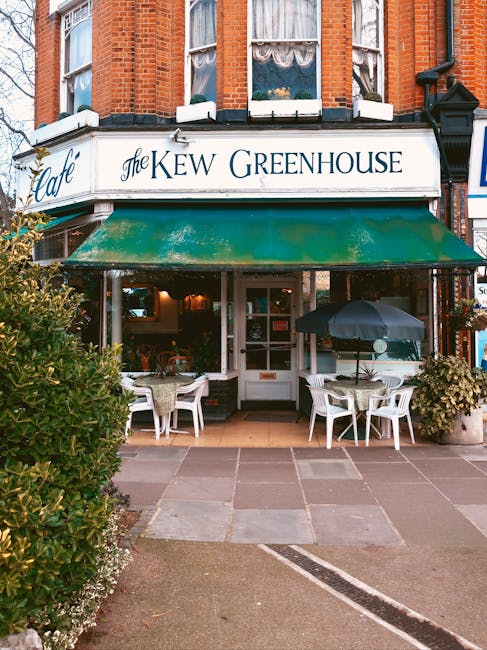
Fulham Road Commercial Gardeners for Shops, Cafes and Offices
If your frontage looks tired by midweek, you already know the problem. Clients notice the weeds in the planters, staff walk past the same scruffy hedge every morning, and cafe customers form an opinion before they even sit down. Fulham Road commercial gardeners for shops cafes and offices help solve that quiet but powerful issue: keeping business exteriors neat, safe, and welcoming without making it your team's problem.
Good commercial garden care is not just about making things look pretty, though that helps. It is about presentation, access, safety, and consistency. A tidy planting scheme outside a shop, a clean entrance to a cafe, or a well-kept office courtyard can change how people feel about the business in seconds. In a place like Fulham Road, where first impressions matter and foot traffic can be constant, that can make a real difference.
In this guide, we will look at what commercial gardening actually involves, how it works in practice, what to expect from a reliable provider, and how to avoid the common mistakes that lead to messy, expensive, or frankly awkward results. There is a lot more to it than a weekly mow. Let's face it, the outside of a business has to work hard.
- Why it matters
- How it works
- Key benefits and practical advantages
- Who this is for and when it makes sense
- Step-by-step guidance
- Expert tips for better results
- Common mistakes to avoid
- Tools, resources and recommendations
- Law, compliance, standards, or best practice
- Options, methods, or comparison table
- Case study or real-world example
- Practical checklist
- Conclusion
- Frequently asked questions
Why Fulham Road Commercial Gardeners for Shops, Cafes and Offices Matters
Business frontage is part of your brand whether you planned it that way or not. A shop with overgrown beds can feel neglected. A cafe with dead hanging baskets can feel uninviting. An office entrance with slipping leaves, uneven edges, or blocked paths can even create a poor sense of care before anyone has said a word.
Commercial gardeners help prevent that slide. They keep outdoor areas manageable, attractive, and usable. That matters for several reasons. First, people decide quickly. A customer walking along Fulham Road may pass several businesses in a minute, and they subconsciously compare them. Second, staff morale is affected by the environment they arrive to each day. A tidy entrance is a small thing, but it starts the day better.
Then there is the practical side. Commercial sites often have a mix of foot traffic, deliveries, signage, bins, pavement edges, and planted areas. These spaces need more than occasional attention. They need someone who understands how to work around trading hours, public access, and the daily rhythm of a busy street. That's the real job, truth be told.
For businesses that want a broader improvement, it can help to think in terms of the whole exterior environment rather than just the planting. Some sites benefit from combining gardening with commercial landscaping, a maintenance schedule, or even occasional garden clearance when the space has been left to build up for too long. The more coherent the outside space feels, the more intentional the business appears.
How Fulham Road Commercial Gardeners for Shops, Cafes and Offices Works
Commercial garden maintenance usually begins with a site review. The gardener looks at what is there now, what needs urgent attention, what needs routine care, and what should be improved over time. On a typical Fulham Road property, that might mean front beds, planters, hedges, window boxes, paved areas, entrance steps, small trees, and perhaps a rear courtyard or service yard.
Once the site has been assessed, the work is usually split into regular maintenance and occasional specialist tasks. Regular work might include mowing, pruning, edging, deadheading, litter removal, watering, and keeping access routes clear. For a cafe terrace or office courtyard, seasonal planting and tidy container care may be more useful than a large-scale redesign. For a shop frontage, the focus is often on clean lines and reliable upkeep.
Where needed, specialist services can be brought in. For example, overgrown hedging may need hedge trimming, lawned areas may need lawn mowing, and problem trees may need attention from tree lopping and removal professionals. That division matters. Not every issue is a quick tidy-up job, and a good contractor will say so rather than pretend otherwise.
In a busy commercial setting, scheduling is part of the service. Gardeners often work early, between service periods, or after opening hours where practical. That reduces disruption for cafes and offices, and it also avoids the awkwardness of someone leaf-blowing outside the door while customers are trying to enjoy a quiet coffee. Nobody wants that soundtrack at 8.30 a.m.
Key Benefits and Practical Advantages
The strongest benefit is usually presentation, but it is not the only one. Commercial garden care brings together several smaller wins that add up.
- Better curb appeal: A neat frontage makes the business look cared for and open for business.
- Cleaner, safer access: Less leaf build-up, fewer trip hazards, and clearer walkways.
- More consistent standards: Routine visits stop the site from swinging between immaculate and neglected.
- Time saved for staff: Your team stays focused on customers, not on watering pots or sweeping cuttings.
- Seasonal flexibility: Planting, pruning, and clearance can be adjusted as the weather changes.
- Professional continuity: The same site often looks better when handled by a plan rather than by ad hoc fixes.
There is also a less obvious benefit: confidence. When a business knows the front of house is under control, managers stop worrying about whether the outside looks embarrassing on busy days. That sounds minor until you have to explain why a hedge has swallowed the sign, or why the entrance mat is surrounded by mud and petals. It happens.
For sites that need a broader refresh, the combination of garden maintenance and occasional structural improvements can be worthwhile. Some businesses also choose to add features such as planters, raised beds, or hard surfaces through decking services where that suits the space. Not every site needs it, but for hospitality settings especially, the outdoor area can become part of the customer experience rather than just the gap between pavement and door.
Who This Is For and When It Makes Sense
This service is a strong fit for businesses that see customers, visitors, deliveries, or foot traffic at the front of the building. If people pass by your entrance, they are judging something. That sounds harsh, but it is simply how high-street behaviour works.
It is especially useful for:
- Shops: where display and presentation affect walk-in interest.
- Cafes and restaurants: where outdoor seating and entrance areas need to feel clean and welcoming.
- Offices: where reception areas, courtyards, and staff entrances shape the daily experience.
- Clinics, studios, and professional practices: where calm, tidy exteriors support trust.
- Mixed-use properties: where multiple users rely on the same outdoor space.
It makes sense when you have one of three problems: the space has got out of control, the team is doing the bare minimum and struggling, or you want a better standard without becoming a full-time gardener yourself. To be fair, most businesses sit somewhere between those points.
There is also a seasonal angle. Spring and early summer often reveal what winter has been doing in the background. Leaves, moss, broken growth, and forgotten corners all show up. Autumn brings another wave. If your exterior only gets attention when it starts looking obvious, then the property is probably already behind.
Step-by-Step Guidance
If you are arranging commercial garden care for the first time, it helps to break the process down.
- Identify the areas that matter most. Start with the customer-facing frontages, entrances, and any routes used by staff or deliveries.
- List the actual problems. Overgrown hedges? Unruly planters? Weeds in paving? Patchy lawn? Small trees blocking light? Write it down.
- Decide what needs regular care and what needs one-off work. Routine maintenance and clearance are different jobs.
- Ask for a site-specific plan. A decent commercial gardener will not just offer a vague package. They should tailor the work to the site.
- Clarify timings and access. Agree when work can happen so trading is not disrupted.
- Check expectations for waste removal, tidying, and finish. The site should be left usable, not just "done".
- Review after the first visit. Small adjustments early on usually save hassle later.
One useful practical point: photos help. If you have a tricky planter, a corner that traps litter, or a hedge line that never quite looks right, photographs make communication much easier. It sounds basic, and it is. But basic things save time.
It also helps to think about maintenance frequency in real life, not in theory. A cafe with outdoor tables may need more frequent attention than a quiet office courtyard. A shop on a busy stretch of road may need more leaf and litter control than a private building set back from traffic. The right schedule is the one that keeps the space looking good on the days that matter.
Expert Tips for Better Results
A few habits consistently improve commercial garden outcomes.
- Prioritise visibility zones. Focus first on the areas customers see at eye level and when they approach the entrance.
- Use hardy planting where footfall is heavy. Fragile seasonal plants can look lovely, then disappear fast if the site gets knocked about.
- Keep edges crisp. Clean lines around beds, paths, and lawns make even simple planting look much better.
- Plan for the weather. In London, one wet week can change a neat site into a slippery one. Fallen leaves and damp shaded corners matter.
- Match maintenance to trading hours. Early mornings and quieter periods usually work best for hospitality sites.
- Think in layers. Pruning, sweeping, weeding, watering, and visual checks all matter. One job on its own rarely solves everything.
A practical aside: if your site has a small lawn, do not assume it can be ignored just because it is small. Tiny lawns are often more visible, not less. A scruffy patch at the front door has a funny habit of drawing the eye. Annoying, but true.
For businesses that want a stronger overall finish, it is worth asking about how planting, surfacing, and layout work together. A tidy border means more when the surrounding space is sensible too, which is why some sites benefit from a mix of landscape gardening and routine upkeep rather than maintenance alone.
Common Mistakes to Avoid
Most problems with commercial outdoor spaces do not happen all at once. They creep in. A missed visit, a vague brief, or one too many "we'll sort it next week" moments, and suddenly the frontage looks tired.
- Choosing price over fit. The cheapest quote may not include the right frequency, waste removal, or attention to detail.
- Leaving the brief too vague. "Just tidy it up" can mean very different things to different people.
- Ignoring access and opening times. This causes avoidable disruption for staff and customers.
- Failing to separate quick maintenance from bigger work. Some issues need clearance, pruning, or redesign, not just a trim.
- Over-planting for looks alone. High-maintenance planting can become a headache in busy commercial settings.
- Skipping seasonal planning. A site that works in June may look poor in November without adjustment.
There is also the classic mistake of assuming a job finished once the obvious bits look better. Not quite. The little things matter: the edge by the pavement, the weeds under the bench, the dead stems behind the sign, the dusty corner nobody sees until a customer takes a different route. That is where standards live.
Tools, Resources and Recommendations
You do not need to become a gardener to understand the basics, but it helps to know what good work often involves.
| Task | Typical approach | What to look for |
|---|---|---|
| Regular upkeep | Routine visits for tidying, pruning, weeding, and visual checks | Consistency, clear communication, and tidy finish |
| Lawn care | Scheduled cutting, edging, and health checks | Even cut, clean borders, and no visible damage |
| Hedge management | Shaping, height control, and seasonal trimming | Symmetry, safe access, and attention to growth patterns |
| Clearance | Removal of overgrowth, debris, and accumulated waste | Thoroughness and proper disposal |
| Tree work | Inspection, pruning, reduction, or removal if necessary | Careful assessment and safe methods |
If you are comparing providers, useful supporting pages can help you understand the wider service scope. A good place to start is the services overview, followed by pages such as pricing and quotes if you want to understand how work is typically scoped and costed. For businesses that care about how waste is handled, recycling and sustainability is also worth reviewing.
That kind of information matters because commercial gardening is not just about the visible result. Waste handling, safe methods, and clear pricing all affect the experience behind the scenes. And yes, businesses notice. They always do.
Law, Compliance, Standards, or Best Practice
Commercial garden care can touch safety, access, waste handling, and the management of shared spaces. Without getting too formal about it, sensible best practice is to keep the site safe for staff, customers, contractors, and passers-by. That means clear access routes, careful use of equipment, and a tidy finish after work is done.
Where trees, heights, access points, or public areas are involved, a cautious approach is the right one. Not every overgrown hedge is just a hedge, and not every tree task is a quick trim. If a provider suggests specialist work, it should be because the site genuinely needs it, not because they are upselling the obvious. Ask questions. A trustworthy contractor will not mind.
It is also sensible to look at insurance and safety arrangements before work starts. For commercial sites in particular, you want reassurance that the contractor has thought about risk properly. The same applies to payment terms, complaints handling, and service expectations. These may sound unglamorous, but they are exactly the things that stop a small job becoming a stressful one.
If you want more detail about those standards and assurances, relevant supporting pages include insurance and safety, health and safety policy, and terms and conditions. If a provider is transparent about those areas, that is usually a good sign. Not glamorous, but reassuring.
Options, Methods, or Comparison Table
Different businesses need different levels of service. Sometimes routine upkeep is enough. Sometimes a reset is needed first. And sometimes the right answer is a mix of both. Here is a simple comparison.
| Approach | Best for | Pros | Limitations |
|---|---|---|---|
| Routine maintenance only | Sites already in good condition | Predictable, tidy, cost-controlled | May not fix deeper problems |
| One-off clearance | Neglected or overgrown areas | Fast visual improvement | Needs follow-up care to stay that way |
| Maintenance plus occasional specialist work | Busy shops, cafes, and offices | Balanced, practical, flexible | Requires more planning |
| Full exterior refresh | Sites needing a stronger brand feel | Can transform first impressions | Higher commitment and usually more time |
For many Fulham Road businesses, the third option is the sweet spot. It keeps the site neat without overcomplicating things. If the place has one or two recurring issues, a regular maintenance plan plus targeted work on hedges, lawns, or tree safety usually gets you further than trying to fix everything in one go.
Case Study or Real-World Example
Picture a small cafe on a busy stretch of Fulham Road. The front terrace has a few planters, a narrow path to the door, and a hedge line along the boundary. Nothing dramatic. But after a wet, windy spell, the plants look tired, leaves collect along the edge, and the hedge starts leaning into the walkway.
The first job is not a redesign. It is control. The frontage gets cleared, the hedge is shaped back, the pavement edge is swept, and the planters are simplified so they are easier to maintain. A small amount of seasonal planting is added, but only where it can be kept looking good without constant fuss.
After that, the routine matters more than any one big intervention. A short weekly visit keeps the entrance tidy, checks for fallen debris, and resets the space before the weekend rush. The cafe does not suddenly become a garden centre, obviously. But it does look cared for, and that is what people notice.
That same pattern applies to offices and shops. Often the win is not some dramatic landscaping move. It is simply getting the basics right, then keeping them right. Small improvement, consistently repeated. Boring to some people, effective to everyone.
Practical Checklist
Use this checklist before commissioning commercial garden work for your shop, cafe, or office.
- Identify the customer-facing areas that matter most.
- Note urgent issues such as overgrowth, weeds, litter, or blocked access.
- Decide whether you need regular maintenance, one-off clearance, or both.
- Ask how work will fit around opening hours and deliveries.
- Check whether waste removal and tidy-up are included.
- Confirm whether specialist services may be needed for hedges, lawns, trees, or landscaping.
- Review insurance, safety, and service terms before work begins.
- Set a realistic frequency based on how busy the site is.
- Agree how changes or extra work will be handled.
- Review the site after the first visit and refine the plan if needed.
Quick takeaway: the best commercial garden care is the kind you barely need to think about because it stays neat, safe, and on-brand week after week.
If you are ready to tighten up your frontage, improve the customer experience, or simply stop worrying about the outside looking messy, it is worth speaking with a team that understands commercial sites and local expectations. You can also learn more about the company's background on the about us page, or make the next step easy by using the contact page to ask about your site.
Get a free quote today and see how much you can save.
Conclusion
Fulham Road commercial gardeners for shops cafes and offices do more than cut, trim, and tidy. They help businesses look open, organised, and reliable in a place where presentation really does count. Whether you are managing a cafe terrace, a shop entrance, or an office courtyard, the right maintenance approach can remove stress and improve the way people experience your business before they even step inside.
The key is consistency. A clean frontage on one good day is nice. A clean frontage every week is valuable. And in a busy London setting, that steady standard can quietly support your brand in the background, which is often where the best work happens.
Sometimes the smallest details carry the most weight. A neat edge. A healthy planter. A clear path. Simple enough, really. But they change the feel of a place, and that stays with people.
Frequently Asked Questions
What do commercial gardeners for shops, cafes and offices actually do?
They maintain outdoor business areas such as entrances, planters, lawns, hedges, courtyards, and paved edges. The work usually includes regular upkeep, tidy-ups, pruning, weed control, and occasional specialist tasks.
How often should a business on Fulham Road book garden maintenance?
It depends on footfall, planting style, and the size of the space. Busy shopfronts and cafes often need more frequent visits than quieter office courtyards, especially during spring and autumn.
Is one-off garden clearance enough for a commercial property?
Sometimes it is, if the site only needs a reset. But most busy businesses benefit from clearance followed by regular maintenance so the space does not slide back into disrepair.
What is the difference between landscaping and garden maintenance?
Landscaping usually refers to changing or improving the structure of the outdoor space, while maintenance is the ongoing care that keeps it looking good. Many businesses need both at different times.
Can commercial gardeners work outside trading hours?
Often, yes. Early mornings, quieter periods, or after-hours visits can reduce disruption for cafes, shops, and offices. It is worth agreeing timing in advance.
Do I need specialist help for hedges or trees?
If hedges are high, awkwardly placed, or blocking access, specialist hedge trimming may be useful. Trees, especially larger or problematic ones, may require professional tree work rather than a basic tidy.
How do I know if my frontage needs a full refresh?
If the space feels cluttered, inconsistent, or difficult to keep under control, a broader refresh may help. Signs include patchy planting, tired borders, poor access, or repeated quick fixes that never quite hold.
What should I ask before hiring a commercial gardener?
Ask about the site plan, visit frequency, waste removal, access, timing, insurance, and what happens if extra work is needed. A clear answer is usually a good sign.
Are commercial garden services useful for small offices too?
Yes. Small office entrances, courtyards, and staff-access areas can benefit a lot from simple, regular care. In smaller spaces, tidiness is even more visible.
Can garden maintenance help my business look more professional?
Absolutely. A well-kept exterior supports trust, improves first impressions, and makes the business feel more considered. It is one of those subtle details people notice without always saying so.
Is it better to choose a simple maintenance plan or a larger landscape project?
If the space is basically fine but needs regular care, maintenance is usually the smarter choice. If the layout, planting, or hard surfaces are not working, a landscape project may be more suitable first.
Where can I learn more about the service approach before booking?
You can review the broader offering on the services overview, check pricing and quotes, and read about recycling and sustainability if waste handling matters to your business.