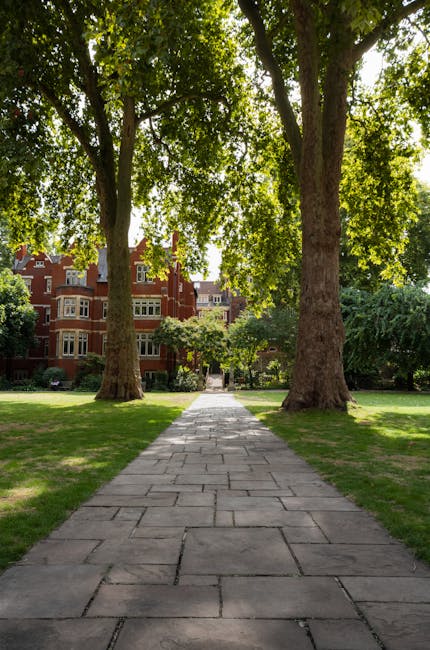
Fulham Broadway Garden Maintenance Tips from Local Gardeners
If you live near Fulham Broadway, you already know the garden rhythm is a little different here. Space can be tight, shade is common, and one wet week can change the whole feel of a patio or lawn. That is exactly why Fulham Broadway garden maintenance tips from local gardeners are so useful: they come from people who deal with these conditions every day, not from generic advice written for a big country garden that never sees a railway cutting, a narrow side return, or a neighbour's mature tree dropping leaves all autumn.
In this guide, you will find practical, local-first advice on keeping your garden tidy, healthy, and manageable through the year. We will cover what maintenance actually involves, how local gardeners approach it, common mistakes to avoid, the best tools for small urban plots, and when it makes sense to bring in help. A good garden should feel easy to live with, not like another job waiting at the back door.
Table of Contents
- Why Fulham Broadway garden maintenance tips from local gardeners Matters
- How Fulham Broadway garden maintenance tips from local gardeners Works
- Key Benefits and Practical Advantages
- Who This Is For and When It Makes Sense
- Step-by-Step Guidance
- Expert Tips for Better Results
- Common Mistakes to Avoid
- Tools, Resources and Recommendations
- Law, Compliance, Standards, or Best Practice
- Options, Methods, or Comparison Table
- Case Study or Real-World Example
- Practical Checklist
- Conclusion
- Frequently Asked Questions
Why Fulham Broadway garden maintenance tips from local gardeners Matters
Fulham Broadway gardens tend to be compact, exposed to urban pollution, and shaped by the realities of London living. You may have less room for storage, less time for upkeep, and more pressure to make every square metre earn its keep. That is where local experience matters. A gardener who works in the area will usually spot the small things faster: drainage that struggles after a downpour, hedge growth that suddenly blocks light, or lawns that thin out because the garden gets only a few hours of sun. Small details, big difference.
There is also a practical side. Local gardeners understand how quickly plants dry out in warm pockets between buildings, how moss can creep into shaded paving, and how seasonal jobs stack up when everyone wants the same tidy finish at the same time. To be fair, gardening in this part of London is rarely about perfection. It is about keeping things healthy, workable, and pleasant to look at without turning maintenance into a weekend burden.
When maintenance is neglected, small issues snowball. A few missed hedge trims can reduce light. A clogged drain or overgrown border can make the whole garden feel cramped. A lawn left too long after heavy rain can become patchy. The point is not to overmanage everything. It is to keep a steady, sensible routine.
If you want a broader overview of what consistent upkeep usually includes, the garden maintenance service page is a useful starting point, and the services overview can help you see how different outdoor tasks fit together.
How Fulham Broadway garden maintenance tips from local gardeners Works
Good garden maintenance is a cycle, not a one-off rescue job. Local gardeners usually work in layers: first the structure, then the plant health, then the finish. That means clearing obvious debris, checking for overgrowth, mowing or edging where needed, and then dealing with details such as deadheading, pruning, feeding, and seasonal clean-up. The garden is effectively being nudged back into balance, a bit at a time.
In a Fulham Broadway setting, the process often starts with a quick assessment. What is getting too much shade? Which plants are thriving, and which are clearly sulking? Is the soil compacted? Is water sitting in one corner after rain? These questions matter because a small garden can fail in one area and still look "fine" from the kitchen window. The experienced eye catches what the casual eye misses.
From there, work becomes seasonal and practical:
- Spring: clear winter debris, feed tired soil, revive lawns, and shape shrubs before strong growth starts.
- Summer: keep watering disciplined, deadhead flowers, trim fast-growing hedges, and manage weeds before they seed.
- Autumn: remove fallen leaves, tidy borders, protect tender plants, and prepare for wetter weather.
- Winter: focus on structure, drainage, safety, and selective pruning where appropriate.
That rhythm is simple, but it works. And honestly, simplicity is often what keeps a garden alive in the middle of city life. No drama. No overcomplicated plan scribbled on a fridge note that nobody follows after week two.
Key Benefits and Practical Advantages
There are several reasons people near Fulham Broadway keep coming back to regular maintenance rather than occasional big clean-ups. The first is obvious: the garden looks better. But the less visible benefits are just as important.
- Healthier plants: regular care reduces stress, improves airflow, and helps plants recover faster after wet or hot spells.
- Better use of space: in smaller gardens, tidy edges and controlled growth make the area feel bigger.
- Lower long-term effort: small jobs done often are usually easier than one major overhaul every few months.
- Reduced safety risks: fewer slippery leaves, broken branches, and cluttered paths.
- More consistent curb appeal: useful if you are renting, selling, or simply enjoy opening the back door to something pleasant.
There is another benefit people forget: maintenance helps you notice problems early. A patch of yellowing lawn, a leaning fence panel, a hedge that suddenly stops responding to trimming - these are all easier to deal with when spotted early. Delay tends to make garden issues more expensive and more annoying. Both are bad.
If heavy pruning, boundary growth, or structural planting changes are on the table, services such as hedge trimming and tree lopping and removal may become part of the picture. For larger overgrown spaces, a proper garden clearance can reset things faster than piecemeal tidying.
Who This Is For and When It Makes Sense
This kind of maintenance advice is useful for a surprisingly wide range of people. If you have a small courtyard, a shared garden, a narrow terrace plot, or a family garden that keeps getting overtaken by weeds and leaf litter, you are in the right place. It also helps if you are new to gardening and want to avoid the classic beginner mistake of doing too much, too fast, and then wondering why the plants look worse by August.
It makes sense to follow local maintenance guidance when:
- you want the garden to stay tidy without frequent major work;
- you are managing a property for tenants or guests;
- your garden has shade, damp patches, or awkward access;
- you are short on time and need a realistic routine;
- your outdoor area needs to look presentable for entertaining or daily use.
It is also worth considering professional help if you are dealing with heavy growth, recurring drainage issues, uneven lawns, or a layout that never quite feels functional. In those cases, maintenance and design often overlap. A smarter layout can reduce future upkeep. That is where landscape gardening and broader landscaping support can be worth exploring.
Truth be told, some gardens need care, and some need a rethink. Sometimes both.
Step-by-Step Guidance
Here is a practical maintenance routine local gardeners often recommend for Fulham Broadway properties. It keeps the work manageable and avoids the all-or-nothing approach that so often leads to garden neglect.
- Walk the garden first. Look for obvious issues: weeds, dead growth, overhanging branches, clogged corners, broken pots, slippery paving, and water pooling.
- Clear loose debris. Remove leaves, twigs, spent plants, and general clutter before touching anything else. A clean surface makes the rest easier.
- Check the lawn. If you have grass, assess length, bare patches, moss, and edging. In many London gardens, the lawn is the bit that looks simple but behaves like a diva.
- Trim what is getting out of hand. Keep hedges, climbers, and shrubs within their space so paths and light remain usable.
- Deal with weeds early. Pull them before they flower or seed. A 10-minute weed session now can save an hour later.
- Water with purpose. Deep, occasional watering is usually better than little splashes every day, especially in warm dry spells.
- Feed where necessary. Use compost or appropriate plant feed if the soil looks tired or growth has slowed.
- Finish with edges and surfaces. Crisp edges, brushed paths, and swept patios make the whole garden feel cared for.
If you are dealing mainly with grass care, pairing this routine with a dependable lawn mowing schedule can make a huge difference. Grass that is cut too irregularly often ends up looking rough even if the rest of the garden is fine.
One useful habit: keep a small notebook or note on your phone. Jot down what changes after rain, where the sun falls, and which plants keep struggling. That tiny record helps you make better decisions later. A bit old-school, maybe, but it works.
Expert Tips for Better Results
Local gardeners tend to focus on practical tweaks that save time and improve results. These are the sorts of things that separate a garden that merely survives from one that actually feels pleasant to use.
- Trim for light, not just tidiness. In compact London gardens, one overgrown shrub can cast shade across half the border. Cutting for light often improves the whole space.
- Use mulch wisely. A layer of mulch helps retain moisture and suppress weeds. Just do not pile it against stems.
- Match maintenance to the season. Spring growth is not the same as autumn decline. Adjust the routine instead of forcing one fixed plan all year.
- Keep tools sharp and clean. Blunt shears and dirty blades make rough cuts, which can stress plants and slow recovery.
- Watch drainage after rainfall. If water lingers in one area, do not keep treating symptoms only. Drainage or soil compaction may be the real issue.
- Do not cut everything back at once. That can expose bare soil, remove nesting cover at the wrong time, or shock plants unnecessarily.
A small but important point: some gardens simply need less intervention than people think. The urge to "tidy" can lead to over-pruning and stripped borders. A little mess, in the right places, is not laziness. It can be part of a healthy garden. Nature is not a showroom. Thankfully.
If sustainability matters to you, consider waste handling too. Green waste that is collected, composted, or recycled appropriately is better than sending everything into a black bag without thought. The site's recycling and sustainability information is relevant if you want a more responsible approach to outdoor work.
Common Mistakes to Avoid
Most garden problems near Fulham Broadway are not dramatic disasters. They are small mistakes repeated often. The good news? Most are avoidable once you know what to look for.
- Ignoring the garden in winter: leaf build-up and dampness can quietly damage beds, lawns, and paving.
- Cutting hedges at the wrong time: frequent trimming may be needed, but timing matters if you want healthy regrowth and better shape.
- Overwatering containers: pots can dry out fast in summer, but they can also stay too wet in shade. Check before watering again.
- Letting weeds seed: that turns a small problem into a recurring one, and it is always more annoying than it sounds.
- Using the wrong tool for the job: heavy hedge cutters for delicate shrubs or cheap pruners for thick stems can damage plants.
- Skipping lawn edging: an untidy edge makes the whole lawn look neglected, even if mowing is done regularly.
- Assuming all brown plants are dead: some just need better positioning, pruning, or a short recovery period.
Another common issue is trying to do too much in one go. It feels productive, but it can leave you with piles of waste, sore shoulders, and half-finished jobs. Better to tackle the garden steadily. A Saturday morning here, an hour on Wednesday there. That is the realistic version, and honestly it is the one most people can keep up with.
Tools, Resources and Recommendations
You do not need a van full of equipment to keep a garden in good shape. For most Fulham Broadway homes, a compact, sensible set of tools is enough. The trick is choosing tools that suit the space you actually have.
| Tool or Resource | Best For | Why It Helps |
|---|---|---|
| Hand shears / secateurs | Small shrubs, roses, deadheading | Gives cleaner cuts and better control in tight spaces |
| Lightweight mower | Small lawns | Easy to store and simple to manoeuvre |
| Leaf rake and stiff broom | Autumn clean-ups, paths, patios | Useful for quick tidy-ups after windy weather |
| Spade and hand fork | Borders, edging, soil work | Helps with weeds, planting, and loosening compacted soil |
| Watering can or hose with care | Containers, new plants, dry spells | Supports targeted watering instead of wasteful soaking |
| Professional maintenance support | Busy households, larger jobs, awkward access | Helpful when regular upkeep becomes difficult to maintain alone |
If you prefer to hand the routine over to someone local, booking a recurring service can be more effective than reacting when the garden is already overgrown. That is especially true for hedges, lawns, and seasonal tidy-ups. You can also compare service pathways through the services overview and, if you need a clearer sense of setup or next steps, the about us page gives a better feel for how a local team works.
For pricing discussions, it is sensible to look at scope rather than assume one number fits every garden. Access, waste volume, plant condition, and frequency all matter. If you are planning a bigger job, the pricing and quotes page is the place to start. No one enjoys surprise costs, least of all after a long day of pruning in a drizzle.
Law, Compliance, Standards, or Best Practice
Garden maintenance in a residential London setting is not usually heavy on formal rules, but there are still important best-practice points to keep in mind. If you are trimming hedges, removing waste, using ladders, or working near boundaries, safety and neighbour awareness matter. That sounds obvious, but it is often where avoidable problems start.
Good practice usually includes:
- working safely with sharp tools and powered equipment;
- keeping paths clear to avoid trips and slips;
- checking whether plants or branches overhang neighbouring property before cutting;
- handling green waste responsibly;
- using appropriate care around fences, walls, decking, and shared access points.
If you are hiring help, it is reasonable to expect sensible insurance and clear safety procedures. That does not need to be complicated. It simply means the work should be carried out carefully, by people who understand risk and know how to manage it. You can review the site's insurance and safety information and health and safety policy for a sense of the standards being followed.
Also, if a job involves large branches, unstable trees, or a suspected hazard, it is smarter to stop and assess than to improvise. That is especially true in tight urban gardens where one awkward cut can cause more trouble than it solves. Not every branch needs heroics.
Options, Methods, or Comparison Table
There is no single correct way to maintain a garden near Fulham Broadway. The right method depends on time, budget, garden size, and how tidy you want the space to feel. Here is a straightforward comparison that may help.
| Approach | Best For | Pros | Trade-Offs |
|---|---|---|---|
| DIY weekly upkeep | Small gardens, confident homeowners | Low cost, flexible, keeps things in check | Requires discipline and storage for tools |
| Monthly professional maintenance | Busy households, rental properties | Consistent standards, less stress, better seasonal timing | Ongoing cost |
| Seasonal intensive tidy-up | Gardens that get neglected between visits | Fast reset, useful for overgrown spaces | Can be harder to maintain after the job if no routine follows |
| Combined maintenance and redesign | Poor layouts, awkward spaces, recurring issues | Improves both appearance and usability | More planning needed up front |
In practice, many households end up using a blend: some DIY touch-ups, plus periodic expert help for the heavier or more technical tasks. That tends to be the sweet spot for smaller London gardens. Balanced, not overcomplicated.
Case Study or Real-World Example
Picture a typical Fulham Broadway rear garden: small lawn, a couple of deep borders, a hedge along the back, and paving that becomes slippery after autumn rain. Nothing unusual. At first glance it looks manageable, but after a few busy months the hedge has swallowed the light, weeds have settled into the joints, and the lawn is patchy near the shaded end.
A local gardener would usually handle it in this order. First, clear the loose debris and remove the most obvious waste. Then cut the hedge back enough to restore light without stripping it bare. After that, edge the lawn, lift the weeds, and inspect the patio for moss and drainage problems. If the garden has become cluttered with old pots or dead plant material, a small garden clearance can reset the space quickly.
What changes most in cases like this is not just appearance, but usability. The garden feels wider, lighter, and easier to look after. People often say they start using the space again for coffee, reading, or a bit of evening air. That matters. A garden should not just be neat on paper; it should feel worth stepping into.
And if the space needs a more functional overhaul - better borders, improved paving, or a reworked layout - then a conversation around landscaping can turn maintenance from a constant struggle into something much more manageable.
Practical Checklist
Use this checklist to keep Fulham Broadway garden maintenance on track through the year.
- Walk the garden weekly and note problem areas.
- Remove leaves, twigs, and visible debris before they pile up.
- Cut grass regularly if you have a lawn.
- Trim hedges and shrubs before they block light or paths.
- Pull weeds before they flower and spread.
- Check for pooling water after rain.
- Water containers and new plants carefully, not automatically.
- Feed tired soil where needed.
- Brush paths and tidy edges for a finished look.
- Schedule heavier work before it becomes a big job.
- Keep waste handling tidy and responsible.
- Review whether the garden layout is making upkeep harder than it should be.
Quick takeaway: if you stay ahead of growth, the garden stays pleasant. If you wait until everything looks messy, the job gets slower, costlier, and less enjoyable. That is just how it goes.
Need a hand keeping the work under control? A local team can help with regular maintenance, one-off clearances, lawn care, hedge work, and practical advice that fits the way Fulham Broadway gardens actually behave. If you want to talk through options or arrange a visit, use the site's contact route when you are ready.
Get a free quote today and see how much you can save.
Conclusion
Good garden care near Fulham Broadway is really about consistency, observation, and knowing when to stop fussing. The best local gardeners do not just cut, tidy, and leave. They read the space. They notice shade, growth patterns, access problems, and the small details that make maintenance either easy or frustrating. That is the difference between a garden that always feels one step behind and one that feels quietly under control.
If you keep the routine realistic, respect the season, and deal with problems while they are still small, your garden can stay healthy without becoming a second job. And that, to be fair, is the aim for most of us.
Sometimes the best garden is not the fanciest one. It is the one you can actually enjoy on a Tuesday evening without thinking about everything still left to do.
Frequently Asked Questions
How often should a Fulham Broadway garden be maintained?
For most small urban gardens, a light weekly tidy-up plus a deeper monthly check works well. Lawns, hedges, and fast-growing borders may need more frequent attention during spring and summer.
What do local gardeners usually focus on first?
They usually start with access, debris, weeds, hedge growth, and lawn condition. In compact gardens, restoring light and clearing space often makes the biggest immediate difference.
Is garden maintenance different in London compared with rural areas?
Yes. London gardens often have less space, more shade, more hard landscaping, and less storage. That usually means maintenance needs to be more deliberate and better timed.
Can I maintain a small garden myself?
Absolutely, especially if the space is simple and you stay on top of it. The main challenge is consistency, not complexity. A little and often approach usually works best.
When should I book professional help instead of doing it myself?
If the garden is overgrown, access is awkward, waste is heavy, or you are dealing with larger hedges, unstable branches, or drainage concerns, professional help is usually the safer and more efficient choice.
What is the best time of year for hedge trimming?
It depends on the hedge type and growth pattern, but many hedges benefit from regular light trimming during the growing season rather than one severe cut. Timing matters, so avoid treating all hedges the same.
How do I keep a small lawn looking good?
Mow regularly, avoid cutting too much at once, keep edges neat, and look out for shade or waterlogging. A struggling lawn is often a sign of compaction, poor light, or inconsistent care.
Do I need a full garden clearance or just maintenance?
If the garden is still broadly in shape, maintenance is enough. If it is full of dead material, overgrowth, broken items, or years of build-up, a clearance may be the better starting point.
How can I make garden maintenance cheaper over time?
Keep on top of small jobs, choose low-maintenance planting where sensible, and avoid letting problems snowball. Regular upkeep almost always costs less than major recovery work.
What should I look for in a local gardener?
Look for practical knowledge, clear communication, sensible safety awareness, and an understanding of compact London gardens. A good local gardener should make the space easier to live with, not more complicated.
Are there safety issues I should worry about?
Yes, mainly with ladders, sharp tools, heavy branches, slippery surfaces, and hidden trip hazards. Safe garden work is calm work. If something feels awkward or unstable, pause and reassess.
Can better garden design reduce maintenance needs?
Definitely. Smarter planting, improved drainage, and a more functional layout can reduce repetitive work. Sometimes a small redesign saves hours every month, which adds up fast.